Workplace safety best practices for equipment operators

Understanding equipment risks and workplace hazards
Workplace safety for equipment operators begins with understanding the risks associated with both the machinery and the environment around it. Every piece of equipment has associated risks and not all of them are immediately obvious. Identifying equipment hazards and workplace hazards of all sorts is the initial action toward protecting individuals and maintaining productivity.
Recognizing for each equipment type what the risks are is crucial. Heavy equipment, like forklifts, cranes, and excavators, carry risks of rotating or moving parts that can strike, grab, or trap. For instance, conveyor belts can drag loose clothing into gears, and excavators have blind spots that can conceal a fellow worker nearby. It’s equally critical to identify nonmechanical hazards, such as noise, dust, fumes, and environmental issues from equipment that is moving or running. For instance, a diesel engine operating in an enclosed area can quickly saturate the air with dangerous fumes, compromising breathing safety. Understanding equipment risks and workplace hazards.
The work environment can be a hazard. Clutter, dim lighting, and wet floors can all contribute to an accident, even if the machine is safe. For example, a mere puddle near electrical gear can expose employees to slip or electric shock hazards. Narrow walkways may restrict the operators’ ability to move safely or observe one another. Daily site inspections are important. Scanning for clutter, spills, and shifts in site layout catches these issues early. These checks should include checking the condition of protective equipment and ensuring that everything is in good condition.
It’s not just paperwork to capture and distribute known equipment and workplace hazards. It’s about getting the entire team clued-up on equipment risks and workplace hazards. In other words, documenting threats and communicating them accessibly, be it in morning meetings, on posted signs, or in online updates. When we all understand equipment risks and workplace hazards, it’s simpler to collaborate to keep safe.
A hazard identification checklist helps you be both comprehensive and consistent. Before starting work with any equipment, operators should run through checks such as:
- Nor are any moving parts liable to injury, including rotating, reciprocating, or transverse.
- Is the equipment in working order with guards and safety devices?
- Is the site free from obstructions, spills, or tripping hazards?
- Any evidence of leaks, smoke, or strange sounds.
- Is the lighting sufficient for work and to safely view hazards?
- Is the appropriate PPE and controls being used?
- Have you explained all hazards to your crew and recorded them?
Utilizing safer equipment and materials, according to “Prevention through Design” (PtD) principles, reduces the risk from the outset. Engineering controls, effective work rules, quality training and PPE all play a role in a hierarchy of controls in keeping workers safe. This focus on prevention helps operators think beyond reaction.
Building a foundation with training and certification
Something like a safety culture foundation begins with training and certification. Before someone even takes a seat behind the wheel or grabs the controls, they must complete structured training and obtain proper certification. That’s not just a rule to tick off; they make workers safer and more employable. Most programs require operators to be 18 years or older and have a high school diploma or equivalent. Top-notch training teaches you how to operate machines like dozers, excavators, and motor graders, providing you hands-on experience for manual equipment operation. Good training not only teaches the practical skills, it makes new operators feel sure of themselves from day one.
Required formal training and necessary certifications
- Complete a recognized construction equipment operator training program
- High school diploma or equivalent required for most programs
- Gain operator certification from an accredited testing body, such as a crane operator body accredited by an established national agency.
- Hands-on training and written tests on bulldozers, excavators, graders, and more.
- Refresher training every few years to keep skills sharp
- Certification remains valid for five years and is portable to most employers that abide by the same standards.
Maintaining skills is as important as learning them initially. That’s why it’s a best practice to schedule refresher training. These sessions assist operators in staying up-to-date with new safety regulations and equipment operational changes. Certain job sites may employ new machinery or technology, and continuing education can plug those gaps. Refresher courses provide an opportunity to correct unsafe habits before they result in accidents. They bring operators back to the fundamentals, such as how to inspect equipment prior to use, how to identify hazards and what to do in an emergency.
To ensure operators truly understand their material, employers should utilize both practical and theoretical examinations. Practical examinations verify that an individual can operate the device in actual scenarios, not just in theory. Written exams determine if they know safety protocols, machine boundaries, and how to respond when things go awry. This type of testing is not just a checkmark. It is a means to identify knowledge gaps and correct them early. All training and tests must be recorded with dates and outcomes, particularly as documentation regulations tend to come into effect on specific dates and must be continuously updated for compliance.

Conducting inspections and preventive maintenance
Machine inspections and preventive maintenance are a crucial component of worker safety around equipment. Maintaining inspections and preventive maintenance identifies issues in their infancy, prevents major malfunctions, and keeps operations running smoothly. Missing these can result in lost man-hours, expensive repair work, or even jeopardize the safety of everyone on the premises.
Daily pre-operation checks are your first line of defense. The drill operators should always perform a walk-around before each use, inspecting for wear, cracks, leaks or odd noises. Employing a checklist created for each machine type ensures nothing is overlooked. A useful daily checklist could inquire whether there is any observable damage, leaking hoses, or whether all guards are fitted. Even little things, like loose bolts or a frayed belt, can turn into much bigger issues if ignored. Specificity is key here — these inspections and PMs are not simply a box checking exercise, but an important phase for identifying red flags.
Planned maintenance is as important as daily examinations. Each machine includes a maintenance schedule from the manufacturer, typically including schedules for oil changes, filter replacements, and more thorough inspections. Keeping up with these schedules, whether daily, weekly, or monthly, can keep parts from wearing out prematurely and prevent unexpected breakdowns. By sticking to the suggested times, you keep your rig humming and prevent days of downtime. For instance, a simple inspection could identify a hose beginning to crack. Repairing it early can prevent a total system meltdown that can derail a day’s worth of work.
Standardized inspection forms impose order and ensure critical steps aren’t overlooked. These forms walk operators and mechanics through each component of the inspection, assisting in maintaining records and identifying trends over time. Customized checklists for each type of machine assist in catching all the details, as different machines have different vulnerabilities. Simple forms assist new staff in learning what to search for and provide seasoned workers a simple method to trace what’s been done.
When problems arise, address them immediately, not tomorrow! Any repairs, swaps, or fixes need to be recorded in a maintenance log. This run log keeps everyone on the same page and assists with identifying patterns, such as a recurring issue with a specific part. Prompt attention to small repairs, such as tightening a loose guard or changing a worn tire, can keep the machine safe and operational.
It can be hard to carve out time for these checks, particularly when you’re busy. Hardwiring inspection and maintenance into the workday helps ensure it gets done. Sandwiching time for daily operator checks with regular visits from certified mechanics prevents missed steps and keeps the equipment in top shape.
Prioritizing personal protective equipment and ergonomics
Equipment operator safety begins with applying the proper PPE and considering ergonomics at every turn. Workplaces with a high risk of injury, like those with heavy machines or moving equipment, require PPE to prevent injuries or fatalities. PPE serves as the final barrier to hazards such as projectiles, sharp edges, excessive noise or chemicals. When selecting PPE, it is important to align the equipment to both the task and the specific machinery being used. There is no one-size-fits-all gear for every job or workplace. What is good for a concrete mixer operator might not be appropriate for a forklift or crane operator. There are local rules and global standards, including those by the International Organization for Standardization (ISO) and the Machinery Directive (2006/42/EC), that help govern what kinds of PPE are required and how machines should be made safer to operate.
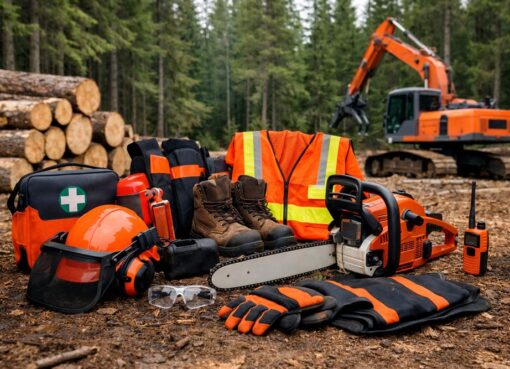
Operators need to wear PPE whenever they’re working with or near heavy equipment. Here are the main pieces of PPE required during operation:
- Hard hats protect your noggin from falling objects.
- Gloves to protect hands from cuts, burns, or chemicals
- Safety glasses or face shields protect your eyes and face from dust, sparks, or splashes.
- Reflective high-visibility vests ensure everyone is seen.
- Steel-toed boots protect against crushed toes or poked items.
- Hearing protection, such as earplugs or earmuffs, is necessary when noise levels exceed safe thresholds.
- Respirators or dust masks are necessary if the work generates fine dust or fumes.
To prioritize PPE and ergonomics, you have to look at the hazards of each task. For instance, anytime you’re operating loud saws, ear protection is mandatory. Welding requires full face shields and hardy gloves. Smart decisions reduce the risk of both minor and serious injuries. Even rudimentary injuries can keep workers out of commission for weeks or months, at a time that can slow down projects and cost money.
Training is just as key as the gear. Workers should learn how to properly don, wear, and maintain their PPE. A loose helmet or shredded gloves won’t do anything for you in a crisis. Training activities should include how to verify proper PPE fit, when to replace used equipment, and how to maintain each item to ensure longevity. This type of hands-on training is necessary everywhere, not just in higher-risk occupations, as even a brief lapse can result in significant damage.
Ergonomics is just as important as safety gear. A good workspace design reduces the risk of musculoskeletal pain, strain, and chronic injuries. Basic measures such as positioning controls within easy reach, installing chairs with back support, and providing workers with breaks can help a lot. Such modifications make employees less fatigued and keep them alert while working, increasing safety and speed. ISO standards on machine design and workspace setup provide practical advice to make work safer and less stressful.

Strengthening situational awareness and communication
Being awake and lucid when operating machinery is not simply a matter of adhering to regulations. It’s about strengthening your situational awareness and communicating with your unit in a manner that keeps everyone safe. Operators need to identify risks, communicate updates, and respond to changes collectively. Creating a safety mindset means that each individual values safety for themselves and for others on the job. It means viewing safety as integrated into every work activity, not just a topic to discuss at shift meetings.
Situational awareness is knowing which cues to pick up in the environment, seeing what is typical, and detecting what is incongruous. Operators should not be observers. They should stay alert for unexpected dangers, shifting machinery, or even weather changes. This ability can be developed with experience and training. Field exercises or role-play, for instance, can assist teams in learning how to identify and manage real-world threats. Does your workplace use the OODA loop—Observe, Orient, Decide, Act—to walk workers through a simple way to check the environment, think about what is going on, select a response, and act? This loop keeps operators situationally aware and quick to adapt when things shift.
Fatigue, stress, and distractions all make it more difficult to be risk-aware. Training must address these issues. Clear policies about rest breaks, managing workload, and keeping distractions down are important. A fatigued operator, after all, is prone to missing an alert or ignoring a danger. Simple check-ins about stress and mental health can increase situational awareness and communication that decreases errors born from a lack of full attention.
Safe operations rely on communication. Effective communication systems, such as two-way radios or hand signals, can help ensure everyone receives and comprehends important updates, even in noisy or expansive locations. Teams should settle on common hand signals and radio terminology prior to beginning work. This avoids mix-ups, particularly in locations where language barriers or noise can interfere. Establishing a culture where teammates feel comfortable speaking up about risky or near-miss behaviors is a must. Safety briefings should occur frequently, not only on a weekly basis. They are a great time to communicate new site hazards, work plan changes, or last shift’s feedback.
Operators can use this numbered checklist to keep situational awareness strong:
- Scan your area for hazards before starting any task.
- Watch for moving equipment, people, or alterations in the site configuration.
- Observe weather shifts or ground conditions that may impact safety.
- Stay alert for signals or messages from team members.
- Pause and reassess if you feel tired or distracted.
Adhering to safe operating procedures and compliance
Safe operating procedures establish the foundation for how equipment is utilized in the workplace. These documented rules guide everyone through the correct steps, from beginning to end. Write down these SOPs for each piece of equipment and make it easy to find for all workers. SOPs should include things such as how to inspect the machine prior to use, how to operate it safely, and what to do in the event of an accident. These should be easy, obvious steps in language all workers understand. Remember to refresh them when new machines hit or rules shift. For instance, if a site introduces a new model of forklift, the SOP must detail its unique characteristics and hazards. When local or global agencies such as the International Labour Organization or local safety boards update their guidelines, SOPs should align with those rules immediately.
To ensure everyone is actually practicing these SOPs, frequent checks go a long way. Site leads or safety officers should observe equipment usage through random spot inspections or scheduled reviews. They can search for overlooked steps, bypassed safety equipment or unsafe shortcuts. If they see something incorrect, they should discuss it with the operator immediately and examine what went wrong to prevent recurrence. These checks assist in discovering whether the SOPs themselves need to change or whether workers need more training. For instance, if multiple operators neglect to check tire pressure on a loader, the SOP or the training for that step may need to be more explicit.
Equipment safety depends on pre-use inspections. These inspections catch issues such as worn-out parts, leaks, or loose bolts that may lead to an accident. It’s a good idea to have a checklist for each type of machine, so nothing slips through. Operators should wear appropriate PPE, like hard hats, gloves, safety vests, and goggles. For example, goggles can prevent dust or small debris from damaging eyes. Work vests help make operators visible and that counts in crowded work spaces.
Training is another crucial aspect. Operators must be trained to operate any new machinery and maintain consistent safety refreshers. This keeps safety top of mind and addresses new hazards. Proper training is necessary, not just on how to operate the machine, but on what to do in an emergency, how to report a near miss, or where the first aid kits are located.
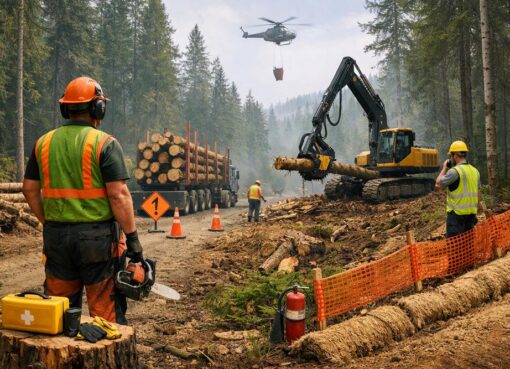
Control measures can assist. For instance, obvious signage can caution against moving equipment and barricades can keep folks at a safe distance from hazards. Staying alert is compliance. They should be on the lookout for hazards like steep slopes, slick terrain or inclement weather conditions that increase the risk of equipment use.
| Safety Rule | Compliance Reminder |
| Wear PPE | Always wear hard hats, gloves, goggles, and vests |
| Use seat belts | Buckle up before starting and keep it on at all times |
| Three points of contact | Use both hands and one foot (or both feet and one hand) |
| Pre-use inspection | Check equipment for leaks, damage, or loose parts |
| Report incidents | Tell a supervisor about any accident or near miss |
| Follow signs | Watch for warning signs and respect all barriers |

Fostering a proactive safety culture and psychological well-being
A robust safety culture is more than the aggregation of its procedures and checklists. To its equipment operators, that means cultivating a culture where all voices are respected and everyone is safe—not just physically, but psychologically as well. Organizations that adopt this wide-angle lens, combining safety with psychological wellness, typically experience the most success. This involves not just hunting for hazards, but assisting folks with stress, work overload, and work-life balance.
Promote a positive safety culture and mental health. Operators should know they can raise concerns or close calls without jeopardy. This trust begins with loud signals from leadership, an open door policy, regular safety discussions, and genuine follow-up on issues. A driver reporting a loose guard rail or a screeching gearbox should be confident the matter will be addressed and repaired, not dismissed or reprimanded. Anonymous reporting channels can help. On large sites or across international teams, even a basic digital mechanism for capturing safety feedback can span the miles. Periodic surveys or focus groups assist in identifying trends, such as if numerous individuals express stress due to extended shifts or confusing signage.
Acknowledge and incentivize safe practices. Regular public acknowledgment, such as ‘safe operator of the month’ and team kudos, goes a long way. These incentives might be as modest as a thank you note, public recognition, or small mementos. What’s most important is that safe behavior is visible and appreciated. For instance, a crew with a month incident-free might earn a group lunch. Over time, these small acts cultivate habits and make safety a collective team aspiration instead of a mandate from on high.
Provide stress and mental health resources. Mental strain, fatigue, and outside stress all impact one’s ability to concentrate on safe operation. A caring workplace provides access to tools such as counseling, mental health days, or stress management workshops. Easy access to these supports, along with transparent communication about how to utilize them, facilitates stigma reduction. When someone returns from sickness or injury, leaders can smooth the transition with flexible hours or lighter work. Deserved breaks should be respected, not merely as a policy but as a genuine means of rejuvenation and burnout prevention.
Involve operators in safety planning and decision-making to encourage buy-in. The individuals closest to things being done are aware of where the holes and dangers lurk. Involving operators in safety meetings, toolbox talks, and risk reviews gives them an influential voice. This might involve having them assist in establishing safety objectives, analyzing accidents, or trialing fresh gear. A continuous improvement process, including regular check-ins, feedback loops, and small-scale trials, keeps things fresh and actionable. Incident data, near misses, and feedback spur change and help you measure what’s working. Leaders should demonstrate sincere dedication and support their words with action and resources.
Embracing innovation and future safety trends
The world of operator safety is evolving quickly, with a strong focus on innovation and intelligent solutions. More and more businesses realize that adopting new technologies is the best way to mitigate risk and protect people. In fact, nearly two-thirds of companies are testing out new life-saving tech and a huge percentage of workers—around 83%—are willing to give these new tools a whirl. Innovation isn’t a trend; it’s a shift in how safety works day-to-day. For machine operators, this gives you more than just the usual wear and tear or go-to gear. Today, it’s starting to combine that with smart sensors, real-time alerts, and even wearables that monitor health and warn of hazards.
Why sensors are transforming the fundamentals of workplace safety. These tiny gadgets nestle seamlessly into a worksite and detect things like dangerous noise, heat, or poisonous gas. For instance, a sound sensor can provide a rapid alert if noise exceeds safe levels in accordance with standards such as OSHA. This type of real-time alert can prevent hearing damage or other long-term health issues. Wearables, like wristbands, can monitor heart rate or fatigue and alert supervisors if a worker is too tired or sick to handle heavy machinery. When combined with automation, they can go further by stopping machines if a worker strays into a hazardous area, reducing severe injuries.
New tech transcends the tangible. Virtual and augmented reality tools assist in training by simulating real-life hazards without the risk. Operators can work on difficult maneuvers or identify hazards prior to work, enhancing skill and consciousness across the board. AI tools, including live video streaming and smart cameras, can detect unsafe behavior in real time. These systems deliver real-time alerts and generate reports for managers, simplifying the process of addressing hazards before they become incidents. Predictive analytics leverages historical data to anticipate where the next threat may arise, allowing teams to intervene ahead of time.
Employers struggle to supplement these new solutions. Some fret about how much it will cost to buy and install the tech. Meanwhile, others struggle to get all hands on deck. Some employees do not trust the technologies and others are too swamped to experiment. The trick is to experiment with new solutions on a small scale first and solicit input from users, which engenders trust and demonstrates genuine value. Experimenting allows teams to discover what works best for their workflow and budget.
The table below shows new technologies and emerging standards making a mark in workplace safety:
| Technology/Standard | Example or Use Case |
| Sensors and Wearables | Detecting noise, gas, or fatigue; alerting in real time |
| Automation | Stopping machines when someone enters a danger zone |
| VR/AR Training | Simulating hazardous scenarios for safe, hands-on learning |
| AI and Predictive Analytics | Spotting unsafe acts, predicting risks, generating reports |
| Industry 4.0 Standards | Integrating smart devices and systems for seamless safety |