How to reduce operational risks on job sites

Understanding operational risks on job sites
Operational risks on job sites are any risks that could injure people, disrupt work, or damage business. These risks emanate from a combination of individuals, workflows, infrastructures, and external incidents. All can impact a job site either through lost time, increased cost, or even reputational damage to a company. That’s why knowing what these risks are and how they shift over time is the key initial step to keeping people safe and work on track.
The main operational risks found on job sites often fall into a few key groups:
- Equipment failure: Machines may break down due to poor upkeep, design flaws, or wrong use. When a crane, drill, or main tool breaks down, it can stall the entire project. This can cause lost man hours, additional repair expenses, and sometimes even puts workers in harm’s way if it occurs mid-task.
- Human error: People can make mistakes, like using the wrong tool, skipping steps, or misreading instructions. These mistakes may appear minor but have the potential to rapidly escalate into larger issues. For instance, if an individual neglects to tie down a load, it may cause it to fall and harm someone or destroy assets.
- Environmental hazards: Weather, natural disasters, and changes in the work site can all bring new risks. Heavy rain could cause flooding. High winds could dislodge loose materials. Excessive heat could pose health hazards to laborers. Other risks are dust, noise, and chemical exposure.
These risks can impact project schedules, safety, and daily productivity. For instance, a broken tool can bring an entire crew to a standstill, delaying schedules and increasing expenses. Human mistakes could lead to incidents, which translate into additional paperwork, potential fines, and downtime. Environmental hazards, such as a quick-moving storm, may cause sites to close or workers to slow down for safety.
Operational risks can arise from technology, regulations, reputation, and external events. Technology risks could be something like a software bug that prevents workers from accessing up-to-date plans. Regulatory risks might be new safety rules that must be complied with immediately. Reputational risks occur if word of a major accident or unsafe worksite gets out. They’re less immediate on a day-to-day basis, but these risks can linger long term.
What makes job sites tricky is that risks evolve quickly. As work progresses, new risks may arise, such as open trenches or exposed wiring. Employee turnover, shifting weather, and late deliveries all whip the risk level up and down. Field workers frequently operate in regions where they lack a desk or convenient method to report issues. Thus, mobile tools for risk reporting and updates are crucial.
Risk management needs to be full-scale and flexible. It means finding risks early, checking how likely and how bad they are, and then putting controls in place. Regular checks and using key risk indicators (KRIs) help spot when things might go wrong. Sometimes risks can be shared or moved by using insurance or giving some work to others, but this doesn’t get rid of the risk. A strong plan uses a mix of steps to keep everyone safe and the project on track.
Identifying and assessing site-specific risks
Scoping site-specific hazards keeps them safe and keeps them operating. Unidentified threats account for the majority of occupational injuries and issues. Every job site features its own workflow, layout, and peripheral hazards. That’s why a generic checklist isn’t going to work. A good beginning is a complete review of how the site functions—consider the workflow, the systems employed, and the personnel engaged. That is, vetting processes for vulnerabilities, technology for holes, and responsibility for everything. Walk the site and search for risks that might be easy to overlook, such as slippery floors, jagged edges, or inadequate lighting. Monitor for health hazards such as hazardous air, noise, or improper lifting techniques.
Risk assessment tools and checklists help make sure nothing slips through the cracks. They guide the team to look at every area, including work zones, equipment, storage, and access points. These tools can help spot people risks, like unsafe behavior or lack of training, technology risks, like old machines or weak passwords, reputational risks, like poor public image if safety slips, and regulatory risks, like not meeting safety laws. Checklists help put a number or rating on how risky something is, so the team knows what to fix first. High-severity risks, like exposed wires or unstable scaffolds, need fast action. Medium and low risks, like clutter or noise, should still get attention, but not before bigger threats are handled.
It’s crucial to seek feedback from employees who actually work on site. They notice what managers overlook. Surveys, conversations, and safety meeting minutes provide a transparent picture of what’s going on at the front lines. Workers can highlight hazards from their everyday tasks, perhaps a footing that’s prone to tripping or a machine component that always jams. Their input assists in identifying trouble early and provides insight into what modifications are most effective.
Track all known risks, who found them and who’s fixing them. Tables make this explicit to all. For example:
| Site-Specific Risk | Category | Found By | Responsible Party |
| Wet floor in storage area | People | Safety team | Site supervisor |
| Outdated electrical wiring | Technology | Electrician | Maintenance lead |
| Unmarked hazardous material | Regulatory | Worker | Compliance officer |
| Untrained new staff | People | Supervisor | HR manager |
| Machine without safety guard | Technology | Worker | Maintenance lead |
| Negative feedback on safety online | Reputational | PR manager | Site manager |
Categorizing risks by type assists the team in identifying trends and gaps in controls. Once you’ve collected all the info, score each risk by how terribly it can go. Concentrate initially on those that could do the greatest damage and then come down the list. Use what’s learned from incident reports and accident probes to fill in missing pieces.

Implementing proactive safety measures
Managing risks on job sites means much more than following a checklist. Each job site has its own mix of hazards, tools, and people, so a plan that works in one place might not work in another. Proactive safety steps help cut down on injuries and lower costs, but they need to fit the job and be made for real risks. A good safety plan starts with a thorough risk check. This helps spot dangers before work begins and lays the groundwork for a plan that keeps people safe and keeps the job on track.
Well-defined safety rules are the foundation of a good program. These rules need to be simple to follow and crafted for the actual hazards users encounter at the location. They should be documented, distributed to all, and reviewed regularly to ensure they still hold true as the work evolves. A strong plan often includes the points below:
- Define site access policies, such as who can enter where and when.
- Establish procedures for operating equipment and machinery. Outline pre-use inspections.
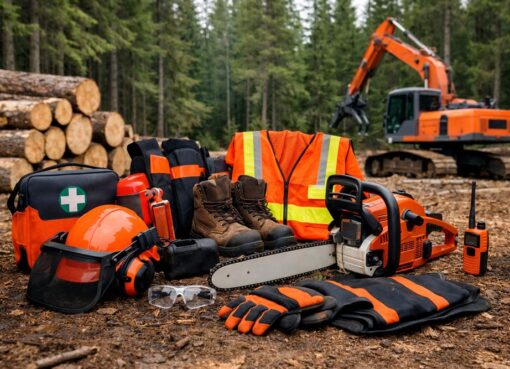
- Ensure all the workers have and wear the appropriate safety equipment.
- Lay out obvious protocols for reporting hazards or close calls.
- Conduct frequent safety talks and practical training for each crew.
- Have a procedure for rapid assistance and first aid in the event of an incident.
- Establish procedures for dealing with chemicals or other hazardous materials.
Maintaining equipment is essential. Breakdowns can slow processes and, more crucial, endanger employees. Periodic inspections on every machine, from cranes to little power tools, catch wear or damage before it causes bigger issues. This signifies inspecting brakes, cables, and safety guards and maintaining logs for convenient monitoring. If a tool is beyond its safety for use, it should be immediately removed from service.
Physical barriers and warning signs go a long way towards keeping job sites safe. If you’ve got open pits or moving gears or edges where people could fall, putting formidable barriers around them prevents people from straying too close. Signs in bright, block letters caution employees and guests at risk, such as high-voltage zones or heavy lifting operations. They’re basic, but they can prevent a lot of incidents before they occur.
Risk checks can be a one-time thing. Jobs evolve and new hazards arise as the work progresses. By monitoring sites frequently and making site-specific safety selections, managers can stay on top of changes and keep their workers safe. Training is equally important. Educating in safe habits, identifying risk, and demonstrating how to use equipment properly creates a safety culture that transcends policy. When safety is integrated into the daily work, people look out for each other and collaborate as a team, which boosts morale and helps keep everyone safer.
Strengthening workforce training and awareness
Workforce training and awareness is at the center of reducing operational risks on job sites. A robust training strategy helps ensure that everyone understands what to do, how to do it safely, and why it is important. This fosters a professional culture in which precaution and expertise share the same bandwidth. Making training a must for all staff prior to stepping onto a site helps establish this tone from the get-go.
Requiring safety training for each employee prior to stepping onto any job site gives everyone a uniform foundation of knowledge. It includes training on hazard identification, PPE utilization, and tool safety. For instance, an employee who understands how to safely wear a harness or operate a forklift is less prone to errors that can cause falls or injuries. That saves time and reduces mistakes because things are done correctly the first time. It prevents expensive rework. A strong safety message at the outset demonstrates to employees that the company cares about their safety and that of their colleagues.
It’s not sufficient to provide training one time. Risk profiles and job-site regulations evolve, and so does training. Periodically refreshing training ensures that all employees stay abreast of emerging threats and are aware of updates or changes to regulations. For example, if new gear arrives or there’s a new protocol to adhere to, training should address these changes immediately. Continuous training sessions help remind employees of their responsibility to be vigilant, operate machinery safely, and look after one another. This goes a long way toward avoiding common dangers such as getting pinned between items, being knocked down by spinning blades, or even electrocution.
Reallife case studies make training stick. Sharing incident stories, such as a worker who was saved from electrocution because he adhered to lockout procedures, makes the lessons more personal. Case studies demonstrate the reality of the consequences of skipping or rushing. They cultivate a mentality among the workforce to prioritize safety for themselves and their crew. When they witness that thoughtful decisions can prevent fatalities and injuries, they are more apt to take action with care and raise their voice when they notice dangers.
A deep checklist of required certifications helps keep things clear. This list should record what papers or skills each worker requires for their role. For instance, a crane operator requires evidence of crane training, and anyone dealing with chemicals requires current safety certificates. A checklist such as this aids managers in ensuring that only trained personnel assume hazardous tasks. It eases audits and keeps everyone aligned on what’s required. Assigning responsibilities and monitoring certifications helps establish a more secure, highly trained workforce.
Workforce training and awareness is key. This proactive approach to identifying and mitigating hazards makes job sites safer, helps keep projects on schedule and guards workers against injuries, not just from falls and lacerations, but chronic issues such as hearing loss or muscle strain.

Enhancing communication and reporting systems
On job sites, transparent and dependable communication underpins risk mitigation. With rotating crews, moving work zones, and unexpected dangers, a robust communication and reporting system can save lives. Research shows that better communication boosts workplace safety in three main ways: it helps workers spot hazards sooner, respond faster in emergencies, and feel more supported raising concerns. Easy to implement action and the right software can make these advantages tangible for groups of any size.
Hazards and near misses ought to have clear channels for reporting that are accessible to every worker. These systems are most effective when they don’t slow down and burden people or demand excessive overhead. For small sites, a shared spreadsheet or paper log is sufficient. In busier environments, SMS-based platforms or mobile apps allow anyone to file a report on the fly directly from the field. Research indicates that mobile-enabled reporting can increase hazard reporting by as much as 40% on certain sites. The trick is to tailor the tool to the team and keep it accessible not only to managers but to everyone. Examples of clear, simple reporting channels include:
- Dedicated mobile app with guided reporting prompts
- Publicly posted phone numbers for SMS reporting in a handful of languages.
- Drop boxes for paper forms in common areas
- QR codes on site signage linking to digital forms.
- Periodic reminders in team meetings on how to report.
Daily safety briefings provide teams the opportunity to learn about hazards and reminders prior to starting work. These stand-up meetings should be brief and eye-opening, emphasizing any new dangers, tooling changes, or weather concerns of the day. Giving updates face-to-face fosters trust and brings everyone onto the same wavelength. A few sites supplement with rapid drills that simulate real-life situations such as fire or fall response to train teams to respond and communicate crisply under pressure. This practical training develops muscle memory, so when something breaks, the right moves come instinctively.
With open reporting, the objective is to create an environment in which any employee feels comfortable reporting. Employees need to know they can report unsafe conditions or make suggestions without risking losing their job or retaliation. Establishing this tone begins with leaders and becomes more powerful when everyone watches input result in tangible fixes, like repairing a faulty ladder or installing improved lighting. Certain sites utilize anonymous suggestion boxes or third-party hotlines. Others host open forums where employees can voice ideas and receive feedback on previous issues. What concerns us is demonstrating that input has impact.
Let’s make the communication tools fit the job site. Two-way radios are a great selection for noisy or large spaces, as they function even when cell service falls. Their reach can be limited by buildings or rough terrain. A backup system, such as extra radios or a second reporting app, keeps lines open if your primary system goes down. Testing these backups in drills ensures they function when required. Companies that put effort into robust, adaptable reporting systems have an advantage when it comes to handling everyday hazards and surprise difficulties.
Fostering a culture of safety and accountability
A strong safety culture on job sites prevents more than injury. It engenders trust and empowers the entire team! Staying ahead not only identifies hazards early, it means fewer incidents and a safer work day for everyone. A true safety culture isn’t rules in a handbook—it’s a way of life, from the CEO to the rookie. Establishing standards, incentivizing safe decisions, and making sure that everyone feels engaged in the process are universal measures on any work site anywhere and regardless of the work.
Set clear expectations for safety performance at all organizational levels
Safety has to be a collective objective. It begins with straightforward, unambiguous guidelines that all can observe. When standards are transparent, folks understand what is required of them and what qualifies as excellent safety performance. For instance, a site could have checklists for each day’s work, with every laborer aware of what to check before beginning. Leaders should talk about safety goals in real terms: fewer injuries, more reports of near misses, or quick fixes of hazards. It is not sufficient to simply post signs and distribute rulebooks. Leaders have to demonstrate, daily, what good safety looks like. They can achieve this by setting the example, discussing safety at meetings, and ensuring rules are reasonable and simple to adhere to. A culture where staff understand what is expected prevents accidents before they occur.
Recognize and reward individuals or teams who demonstrate exemplary safety behavior
Rewards matter. When folks observe that safe decisions are important, they will continue to make them. Recognition doesn’t need to be grand or expensive—public commendation, token gifts, or group accolades can have a huge impact. For example, if a team discovers and addresses a risk before it manifests, that should be celebrated and communicated. Rewards help demonstrate that safety is not another box to tick, but a value. It dismantles progress-sapping mindsets like ‘safety kills productivity’ and ‘errors just invite blame’. When good safety work is noticed, people feel empowered.
Hold supervisors and managers accountable for enforcing safety standards consistently
Supervisors and managers set the tone. When they take safety rules seriously and implement them justly, others will follow. If your supervisor lets a few things slide, people will notice and the whole thing can unravel. Holding leaders to account involves routine safety reviews of their actions, transparent feedback, and firm consequences when standards fall short. This keeps leaders vigilant and signals that no one is exempt. In environments where blame is the initial response, employees tend to conceal issues. An equitable and transparent mindset encourages an environment of security, where individuals are willing to step forward and make repairs.
Promote peer-to-peer safety observations to encourage shared responsibility
Safety is a crew effort. Peer checks and open dialogues about hazards keep all of us on our toes. When staff can flag risks to each other without fear or shame, the entire collective becomes more resilient. These peer observations aren’t about catching screw ups; they’re about helping each other get home safe. For instance, if a worker notices a loose cable or missing gear and calls it out before an injury occurs, training sessions and open feedback make this normal. Over time, this common responsibility translates into fewer overlooked hazards and a safer environment for everyone.

Leveraging technology and partnerships for risk reduction
Digital innovations and partnerships now alter how job sites reduce risk. Most job sites are at risk from individuals, procedures, technology and external circumstances. By embracing new technologies and partnerships, we can identify, reduce and manage these risks far better than ever before.
Using digital tools such as mobile applications empowers teams to report and monitor risks in real time. The applications allow workers to report risk or near misses as they occur, not hours later. By utilizing technology and partnerships, businesses are able to reduce risk. Where teams disperse or work shifts swap regularly, digital reporting keeps all of you aligned. It creates a record, so executives can look back and identify trends. Take, for example, a team that observes slips continue to occur in the same location, week after week. With this data, they can inspect that location, repair the underlying cause, and prevent future falls. Mobile apps let teams upload photos, mark maps, or alert others, all from the job site, making the process quick and easy for all.
Wearables are useful on the jobsite. Everything from smart helmets, wrist bands, or badges that track worker health or detect hazardous exposures. Whether a worker’s heart rate spikes or the air has excess dust, the device can trigger an alert. This early warning can save lives and reduce healthcare claims. Wearables record data over time. Leaders can use this to verify if job demands are excessive or if employees confront chronic hazards, such as noise or heat. When used correctly, wearables protect individuals and provide evidence of safe work for insurance and regulatory audits.
Collaborating with others in the space is a powerful risk reduction strategy. Best practice sharing with trusted partners, suppliers, or industry groups means no one has to figure out safety problems by themselves. Partnerships can assist in shifting some risks. For instance, purchasing insurance or outsourcing risky activities shifts the risk off your books. When we share the ideas and lessons learned with others, we can collectively raise the safety bar for all and importantly, avoid the same old mistakes. Industry partnerships provide access to new safety tools or training, which could be too expensive for a single company to purchase on its own.
Empowering job sites with partners and technology for risk mitigation. Data analytics can illustrate which risks are most likely and which could do the most damage. This enables teams to concentrate their dollars and energy where it counts. Good data helps detect fraud or mistakes early. Teams can then revise their risk plans and controls based on what works. Routine reviews catch gaps before they become actual problems. Scenario tools enable job sites to model “what if” scenarios, so they can prepare for things in advance. This makes the entire risk process proactive, not just reactive.