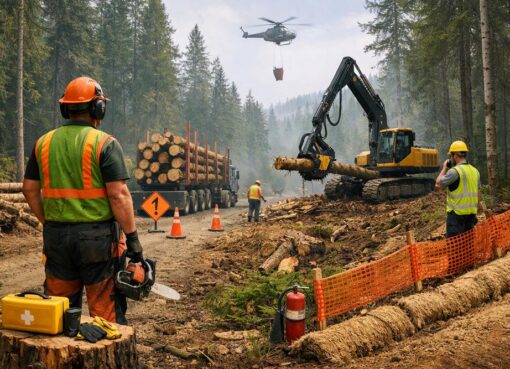
Essential safety gear for professional operations
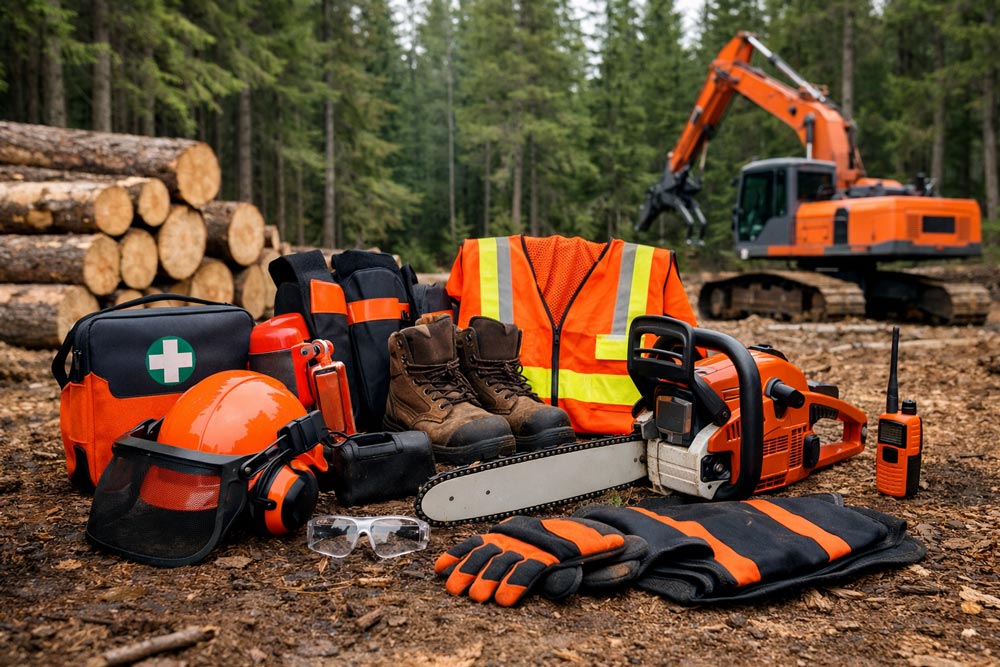
Understanding the critical role of safety gear in professional operations
The fundamental task of safety gear is to prevent injuries and save lives in high-risk jobs. Be it a hectic building site, a chemical plant, or a warehouse, it’s never far from danger. Helmets, gloves, goggles, and harnesses protect workers from injury. Goggles, in particular, keep harmful splashes, metal shards, or flying dust from damaging your corneas. In environments where the air might be dangerous, masks and respirators deliver that protective barrier. These stories illustrate how the appropriate safety equipment separates the worker from actual risk.
The law spells out the requirement for safety gear. Understanding the importance of safety equipment in professional work is essential. This isn’t merely a best practice; it’s a must. It is standard for employers to cover the expense of PPE, as it is a fundamental cost of protecting employees. Industry regulations like ANSI standards dictate how PPE is manufactured and tested, so workers can be confident they’re receiving equipment that performs. If an employee wears a hard hat or harness that meets these standards, it means somebody verified it functions as it should.
Safety gear relates to job regulations and international labor standards. Across countries and across industries, there are strict codes and workers receive the same safety. These regulations advise employers not only what sort of protective equipment to supply but how to sanitize it and where to store it. If gloves or face shields are not stowed away properly, they could fail to function next time. Disposal matters too, as used or compromised PPE can pose hazards if not discarded responsibly.
There’s the fact that having the right gear on makes a huge difference in how the workday goes. Fewer injuries, less downtime, fewer delays. In an environment such as a construction site, where hard hats, vests, and boots are standard issue, incidents can plummet. That way jobs get done on schedule, and people remain well. Safety equipment is crucial. Employers need to demonstrate to employees the correct ways to wear and fit PPE, such as gloves or masks, so it functions properly. It turns safety into a routine, not just a directive.
It’s up to employers to set the example. They have to provide the appropriate gear, educate people on proper use, and enforce compliance. It’s more than an obligation; it establishes trust and proves you’re concerned about each worker. In these high-risk professions, this attention could be the difference between going home to your family unharmed or having an emergency room visit.
Identifying workplace hazards and matching appropriate safety equipment
Knowing how to properly spot risks at work is essential for choosing the right safety equipment. Every job site has its own hazards and these shift with new work or tools. This simple risk check identifies what equipment is required to protect employees from injury or sickness. This phase requires a close examination of the work environment, duties, and instruments.
Common workplace hazards include:
- Chemical exposure (like solvents, acids, fumes)
- Falls from height (ladders, scaffolds, roofs)
- Electrical risks (live wires, faulty wiring)
- Flying particles or debris (grinding, cutting)
- Biological agents (viruses, bacteria, mold)
- Loud noise (machinery, engines)
- Sharp or hot surfaces (blades, welding)
- Poor air quality (dust, asbestos)
- Radiation (welding, medical imaging)
Matching safety gear begins with understanding the risk level for each hazard. Gloves are a must when it comes to chemical exposure. Nitrile offers great protection against solvents and oils, while latex is suitable for general use but not strong chemicals. Leather gloves protect against cuts or heat. For jobs with airborne hazards, such as dust or fumes, a properly fitted respirator is necessary. NIOSH-approved masks are effective in blocking many particles and certain chemicals, and their use is mandated in several countries. Eye safety is critical where flying bits, splashes, or radiation can harm the eyes. Safety glasses are fine for general work, but goggles provide a tighter seal for liquid or dust. Face shields provide full face cover and are handy for grinding or mixing chemicals.
For noisy work areas, hearing loss is a major threat. Earplugs come in handy for quick jobs or when you have to communicate, and earmuffs provide stronger noise blocking for extended work sessions in noisy environments. If workers encounter falls, safety harnesses, guardrails, and anti-slip shoes assist in minimizing the danger. Insulated gloves and boots save a job with live wires from shocks. When the hazard is biological, such as in health care or labs, disposable gloves, full body suits, and face masks protect workers from germs or viruses.
Risk checks should occur regularly, not just a single time. New risks can pop up with a shift in duties, personnel, or equipment. Every time, audit whether your safety gear still fits the job. Check that all PPE is clean, dry, and not ragged or it can become a hazard itself. Keep your PPE stored in clean, dry locations and replace it if it is ripped or beyond its expiration date.
For international or across-border work, adhere to the most rigorous PPE standard applicable, such as international or Canadian standards. This keeps workplaces compliant and helps prevent fines or lawsuits. The right safety gear, selected from a transparent risk check, reduces injury and keeps teams safer and healthier.
Key categories of essential safety gear for diverse environments
Personal protective equipment, or PPE, is the cornerstone of occupational safety. Each type of gear protects workers from actual hazards present in their surroundings, whether at a chaotic construction site, a chemical laboratory, or a thunderous manufacturing floor. Selecting appropriate PPE involves considering the nature of the work, the hazards involved, and the duration of use. Your gear should protect you, keep you comfortable, fit well, and allow you to move freely. Poorly fitting gear is distracting and can lead to injuries. Employers need PPE that has high standards, like OSHA-certified PPE, to confirm everyone is safe and protected. Here’s a checklist of the essentials and what to look for in each.
Head Protection
Helmets and hard hats guard against falling debris, impacts or electrical risks. These are a must in construction, mining and heavy engineering. Seek out helmets with adjustable straps and lightweight but durable materials. Certification, such as ANSI or OSHA compliance, is key. A few helmets include integrated face shields or earmuffs for additional protection.
Eye and Face Protection
Safety glasses and goggles protect from dust, flying debris, splashes and intense light. They’re indispensable in the lab, at the workbench and at the welder. Face shields provide additional protection in work such as grinding or chemical handling. Good eye gear is anti-fog, scratch-resistant and fits the worker’s face well to prevent voids.
Hearing Protection
Noise is a huge hazard in a lot of industries, including manufacturing, airports, and construction. Earplugs and earmuffs reduce decibel levels and diminish the potential for hearing impairment. Earmuffs with adjustable bands or soft cushions increase comfort for extended shifts.
Respiratory Protection
Respirators and masks filter out dust, fumes, or poisonous vapors. Key types of safety equipment for different settings include simple dust masks, half-face respirators, and full-face respirators. The proper fit is crucial to block out foul air.
Hand Protection
Gloves come in many types, including cut-resistant, chemical-resistant, heat-resistant, and anti-vibration. Handling glass, blades, chemicals, or heat all require different gloves. They should fit like a second skin, but still allow the worker to grasp and maneuver freely.
Body Protection
Coveralls, lab coats, vests, and FR suits defend you from cuts, spills, heat, or fire. Certain professions, such as electrical work or firefighting, require equipment specifically designed to deflect sparks or heat. High-vis vests are necessary where there are vehicles or machines on the move, such as in roadwork, warehouses, and similar environments.
Foot Protection
Reinforced toe safety shoes and boots (steel or composite) protect feet from falling objects or puncture. For occupations with a risk of static electricity, anti-static or conductive shoes are required. Slip-resistant soles prevent slips in slick-floored areas.
Workplace dangers such as noise, vibration, heat, and chemicals each require specific equipment for every hazard. Selecting PPE isn’t just compliance; it’s impact—it’s what prevents injuries, lost workdays, and builds a safer, more invested workforce.
Navigating regulations and compliance for workplace safety gear
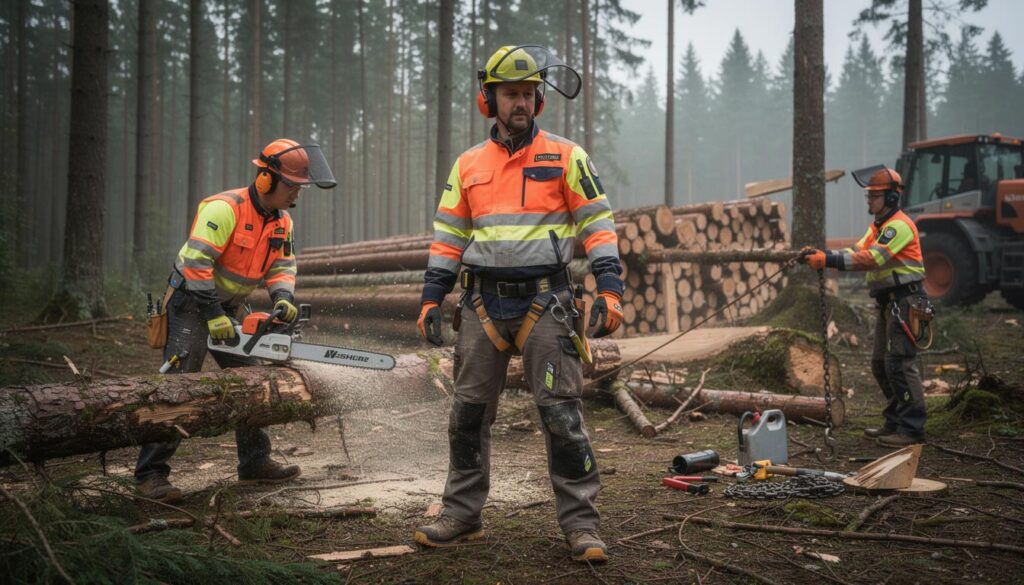
Workplace safety gear is informed by regulations that dictate either what the gear must do or how it should be used. International and national standards such as OSHA, ANSI, and EN take the lead. OSHA regulations require employers to equip employees with the appropriate PPE for the task, whether it be a hard hat or respirators. ANSI and EN determine the specifics of performance, such as how impact-resistant a helmet must be or how bright a high-visibility vest has to appear. These standards help ensure that gear is not just a checkbox, but an actual barrier for employees. For instance, EN 166 governs eye protection and ANSI Z87.1 does the same in the US. For respirators, OSHA requires workers to perform a fit test at least every year to ensure there are no leaks and the seal is solid. This annual inspection can mean the difference between safe and unsafe.
Compliance is about maintaining records and clear labeling. All PPE should be labeled with the model, standard, and approval mark, such as a CE mark or ANSI rating. This assists during safety inspections. It’s not just labels and documentation. Think of it as proof of purchase, user manuals, fit test records, and service logs. When an inspector comes by, having current logs on hand demonstrates the company’s commitment to compliance. For first aid kits, the kit itself has to be easy to locate. It should be located somewhere everyone can access it fast, and the location should be clearly signposted. Reflective or glow-in-the-dark signs work well during power outages.
To ensure safety gear is up to all the right standards, there are several steps that assist. First, check the paperwork from the supplier. Is it certified to have passed the appropriate tests? Is the item appropriately marked with a valid approval for your region? Next, check the state of your gear. Be sure to replace old, damaged, or expired gear. For first aid kits, do a quick check to ensure that nothing within is missing or past its use by date. If it’s something like a harness or safety shoes, check for scuff and wear. Training records count as well. Workers require current training on equipment usage. Therefore, training sessions every year are mandatory.
A compliance checklist makes the process easier:
- Make sure the gear meets the right standards for your country or job site, such as ANSI, EN, or local law.
- Be sure that there are clear labels showing approval marks and expiry dates.
- Check the certificate and annual fit test for the respirator.
- Check equipment for damages, wear, or missing components.
- Be sure first aid kits are stocked for the hazards at your location and positioned in marked accessible locations.
- Organize periodic training for all employees using safety gear.
- Schedule service and maintain logs for all equipment.
- Inspect signage to make sure it is visible, current, and covers all hazards. Utilize reflective or glow-in-the-dark options when necessary.
When employers follow these steps, they build trust and keep workplaces running safely. When employees feel their safety is prioritized, they help create a culture that prioritizes health and collaboration.
Innovations and technology shaping modern safety gear
It’s all part of what innovations and technology are shaping modern safety gear. The construction industry, for instance, transitioned from hard hats in the 1930s to vibrant, high-visibility clothing in the 1960s, a foundation that would lay the groundwork for today’s smart PPE. Today, safety gear does more than protect; it communicates, monitors, and evolves to meet real labor demands in ways that suit numerous occupations and sectors.
Smart PPE is a game-changer, with sensors and wireless links allowing teams to detect hazards in real-time. Take smart helmets, for instance, which feature integrated impact sensors and heads-up displays. These features immediately alert wearers of falling objects or unsafe areas to help reduce accidents. Other systems alert remote supervisors when a worker falls or encounters a sudden hazard. Displays you can interact with and real-time worker communication go a long way toward enhancing teamwork and making it easier to respond quickly when something does.
Material science has made giant progress. Lightweight composites such as cutting-edge polymers and carbon fiber mixtures allow helmets and harnesses to be durable yet comfortable. Breathable fabrics reduce sweat, which is important in hot or humid work areas. Modern respiratory masks utilize recycled materials in the mask and the box, assisting with green objectives. The selection of respirators, spanning FFP1, FFP2, and FFP3 protection levels, allows workers to choose what suits their work hazards. These upgrades keep safety gear light, tough, and less likely to slow a worker down.
Designers now think about how gear fits and flows with the body. Ergonomic designs sculpt hard hats, gloves, and harnesses so they nestle perfectly on the body and shift with the wearer. Modern safety harnesses, for example, are padded and contoured to distribute weight and reduce stress during prolonged suspension. When gear fits and feels good, workers will wear it all shift, every shift. Comfort and ease of use are now viewed as central. If a helmet weighs too much or a mask pinches, it’s not going to be worn properly.
Wearable tech is piling on safety. Location and vital tracking devices help monitor worker health and safety. Smart vests and badges utilize GPS to display the location of individual workers on a site, which is useful in the event of an emergency or if a worker wanders into a danger area. Sensors monitor heart rate or body temperature, notifying crews if a laborer requires a rest or is experiencing heat stroke. Solar-powered headsets with Bluetooth and noise-cancelling mics make it simple to communicate in loud environments, keeping channels unblocked with no cords or cumbersome batteries.
PPE as a whole now means considering how everything works together — fit, comfort, and ease of wear for a full day. The drive for advanced technology, smart design, and green materials seeks to provide workers with gear that works with them, not against them.
Effective integration, training, and maintenance for optimal protection
Proper use of safety gear in any work setting needs more than just handing out equipment. Effective integration means every step, from picking the right personal protective equipment (PPE) to using it with other safety protocols, must work together to lower risks. This is not just about rules; it’s about making the workplace safer for everyone. When safety standards such as ISO 45001 or IEC 61508 are part of daily routines, they help make sure safety gear is not just present but is used the right way. For example, combining hazard assessments with the correct fitting of N95 respirators or chemical-resistant gloves can reduce workplace illnesses and injuries. These steps are key in places like factories, labs, and construction sites, but the ideas apply in offices or healthcare settings too.
Requiring that all employees receive complete and transparent training is the next rung. Training should encompass more than how to don or doff PPE, but why they are required, how it protects against specific hazards and what could go wrong if it is used incorrectly. This might be demonstrating how a hard hat is supposed to sit on the head or how to ensure a proper seal on a respirator. Training cannot be a one-shot event. It requires updates when new equipment is introduced or hazards shift. Visual aids, in-person training and even mini quizzes can help ensure the lessons hold. For instance, in a chemical plant, workers need to know how to wear gloves and goggles properly and detect indications of wear or impairment.
Routine checks and care of safety gear keep it working as it should. A car needs oil changes and inspections, and PPE must be looked after. Without regular checks, even the best equipment can fail and put people in danger. Scheduling checks every few weeks or months, based on how often the gear is used, helps catch problems early. For example, safety harnesses in construction need checks for frays or weak points, while fire-resistant jackets should be checked for tears or burns. A PPE hazard assessment should be done often to spot new risks and update gear or training as needed.
Having an obvious easy mechanism for workers to report broken or faulty gear is essential. If a kid finds a cracked helmet or a torn glove, they have to know who to inform and what will occur thereafter. Putting up signs, easy forms or even a ping system can assist. Immediate reports and rapid remediation prevent minor vulnerabilities from becoming major ones.
- Key maintenance practices for PPE: * Wash all equipment following use to eliminate dust, perspiration, or chemicals.
- Store PPE in dry, cool locations to prevent mold or rust.
- Inspect straps, seals, and fasteners for wear or looseness.
- Change filters or disposables as the manufacturer suggests.
- Maintain an easy log of inspections, cleanings, and repairs.
- Ensure that only trained staff repair or replace components.
Balancing cost, quality, and employee engagement in safety gear investment
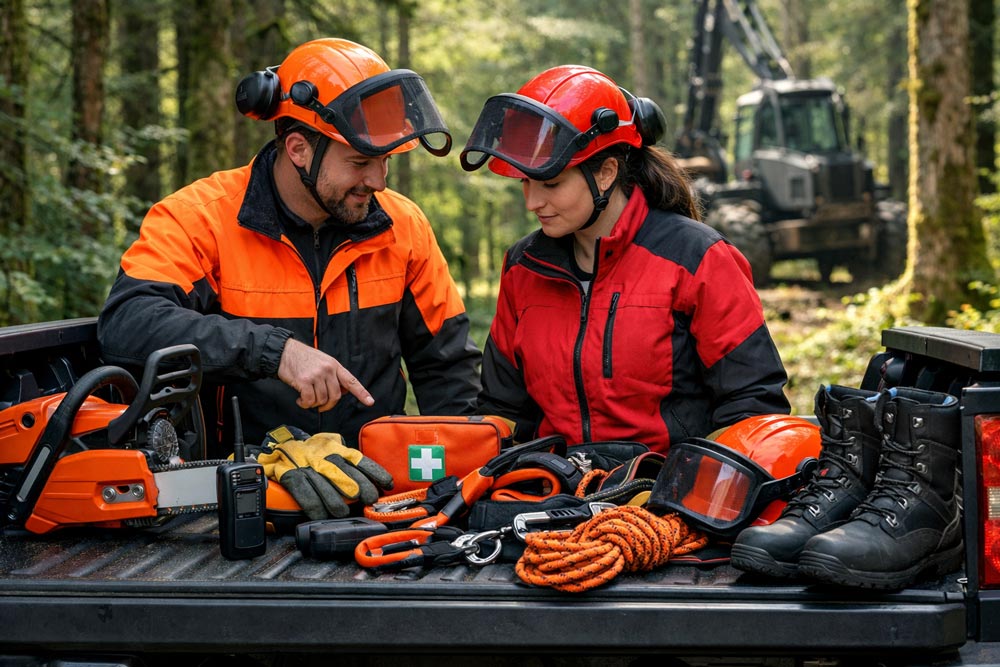
Every pro shop needs the right safety gear. It’s not simply a check-the-box, compliance thing. It’s about protecting workers, streamlining work, and optimizing business. That price tag is one piece of the puzzle, but it can’t be the sole determining factor. Companies that consider cost, quality, and employee buy-in in the same moment come away with safer workplaces and better outcomes.
Investing in high-quality PPE is the secret to long-term success. Cheap gear is a victory on day 1, but it deteriorates quickly and won’t provide great protection in extreme environments. For instance, if you invest in a cheap safety helmet, it could crack or lose its fit, endangering the wearer. High-grade PPE, such as a well-made N95 or hard-wearing safety boots, has a longer lifespan and resists harsh conditions. It helps companies steer clear of costly repeat purchases and reduces downtime caused by gear failure. According to a new report, workplace injuries cost employers approximately $176.5 billion annually. This includes medical, legal, and lost work hours. By investing in tough, dependable gear, you can reduce these expenses by preventing mishaps before they even begin.
Employee engagement is what makes safety gear really work. By involving workers in selecting equipment, you ensure greater compliance. For example, when workers get to sample and provide input on gloves or hearing protectors, they can select what fits and feels best. This translates to higher comfort and improved job compliance. Healthy and safe employees aren’t just less likely to get hurt — they’re more productive and more engaged. This is good for the team and for the business.
Total cost of ownership is smarter to look at than just the sticker price. Upfront savings can vanish if gear needs to be replaced often or if it leads to more downtime or injuries. For example, using a PPE Hazard Assessment helps spot risks and match them with the right gear instead of just buying what’s cheapest. Companies that look at the full cost, factoring in maintenance, training, and replacement, end up spending less over time. Having a mix of suppliers keeps the supply chain steady, so there’s less risk of running out of key items during busy periods.
Monitoring how safety gear fares is a good investment. That means soliciting worker feedback, monitoring incident rates and leveraging technology to optimize hazard identification. For instance, IoT devices can monitor if employees are wearing helmets in danger areas. Ongoing training on gear usage and maintenance, along with incident and near-miss reviews, helps ensure that investment is really working and that you know where to improve.