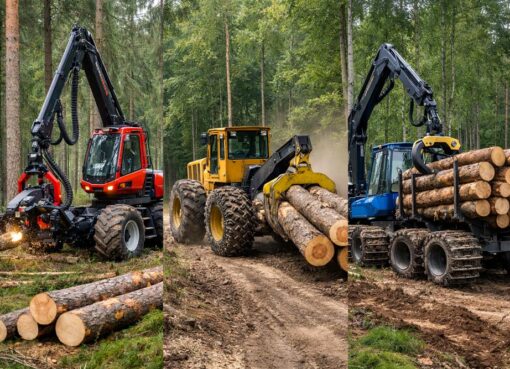
Modern equipment innovations improving productivity

Understanding the landscape of equipment innovation
We all know how modern equipment has transformed the way work gets done in a lot of domains. The transition is driven by new technologies such as IoT, AI, and automation. These enable the machines to work smarter, not just harder. They allow users to monitor, inspect, and repair equipment remotely. That translates to less waiting, more uptime, and fewer slowdowns. Smart machines catch minor issues before they balloon. There are sensors everywhere in factories these days keeping an eye on every move. Data streams from these sensors assist managers in identifying waste and repairing it fast.
Old machines got the work done, not as well or as quickly. They frequently required more hands-on assistance. If something broke, it might be hours or days before they could locate and repair it. Contemporary equipment, by comparison, employs AI and smart sensors to identify issues immediately. For instance, a simple conveyor belt may transport items from A to B. A new belt monitors velocity, mass and even degradation, so fixes are scheduled, not urgent. This change eliminates unnecessary expenditures of time and money.
Industry groups encounter unique challenges. In agriculture, smart tractors employ GPS and sensors to seed and irrigate crops with reduced inefficiency. In construction, new equipment such as 3D printers and drones accelerate design and on-site inspections. In health care, accurate robots assist in surgery, resulting in smaller incisions and faster recovery. Each field appropriates and modifies new tools to suit its own purposes. More often than not, the bottleneck is cost. Small and mid-sized firms have difficulty purchasing the newest technology. The equipment innovation landscape shows that big guys tend to pull ahead, and little guys can close by starting small—one smart tool at a time.
Some sectors have seen the biggest change from new machines and tools:
- Manufacturing (smart factories, robotics, IoT systems)
- Agriculture (precision farming, automated harvesters)
- Healthcare (robot-assisted surgery, automated diagnostics)
- Construction (3D printing, drones, smart safety gear)
- Logistics (automated sorting, smart tracking)
- Energy (remote monitoring, predictive maintenance)
The connection between new gear, cash, and eco objectives is obvious. Companies that scale their capital and apply it effectively can contribute to greentech and energy preservation. This does not only help the planet, but complies with new regulations and reduces long-term operating costs. The equipment-innovation landscape is not just about speed. It’s about using less, wasting less, and working safer. The trick is to straddle cost, skill requirements, and rate of change. Companies that strategize, begin with the right-fit tech, and develop capability can experience substantial benefits. Others will flounder if they hurry or omit critical steps.
Integrating advanced equipment with existing systems
While futuristic equipment can transform the way an organization operates, actual advances occur when these technologies mesh seamlessly with existing infrastructure. Seamless integration is the point where legacy infrastructure meets cutting-edge gear and neither grinds to a halt. This is the case across all sorts of industries, from factories to health care. It begins with seeing whether the legacy system is capable of dealing with new machines or software. You have to consider data formats, machine communication protocols, and interoperability. For instance, outfitting legacy machines with IoT sensors allows you to monitor their operation in real time. It can help catch issues early and keep things operating.
To integrate state-of-the-art equipment with legacy systems, begin by taking stock of what you already have. See if the new smart equipment can interface with the same power, network, and data connections. Seek out open standards or straightforward APIs that enable machines to communicate. For instance, many manufacturers today append IoT equipment to their machines, so devices transmit information directly into the cloud. That means it is simple to observe, manage, and repair things remotely. In factories, deploying automated robots that can be reset for new tasks saves time and money. It allows teams to switch up production more quickly, so they can stay on top of emerging trends.
Incorporating cutting-edge equipment. Even the most amazing tech won’t make a difference if people can’t operate it. Training should include both core and more advanced applications, such as accessing sensor data or conducting remote inspections. Good schedules intersperse practical work with online lectures. In factories, team members train to repair minor issues before they become major issues. In hospitals, staff have to learn to use new machines for tracking and testing. This secures things and assists the new technology to work.
Overhauling everything at once leads to issues. It’s better to integrate sophisticated equipment with your existing systems. Begin with one department or one line. See what clicks and what won’t. Resolve issues before passing along. This gradual launch aids in identifying problems sooner and ensures work doesn’t come to a halt. For instance, if you implement IoT-driven predictive maintenance tools, deploy them on a small number of machines initially. That way, you watch downtime decrease before deploying it company-wide.
Common pitfalls in integration and ways to fix them:
- Poor data compatibility: Use converters or middleware to match formats.
- Lack of staff skills: Hold regular training and refreshers.
- Workflow disruption: Phase in new tools, not all at once.
- Security gaps: Update security settings and patch systems often.
- Missed analytics value: Set up dashboards for real time tracking.
- Overlooked energy use: Use equipment that tracks and cuts energy spending.
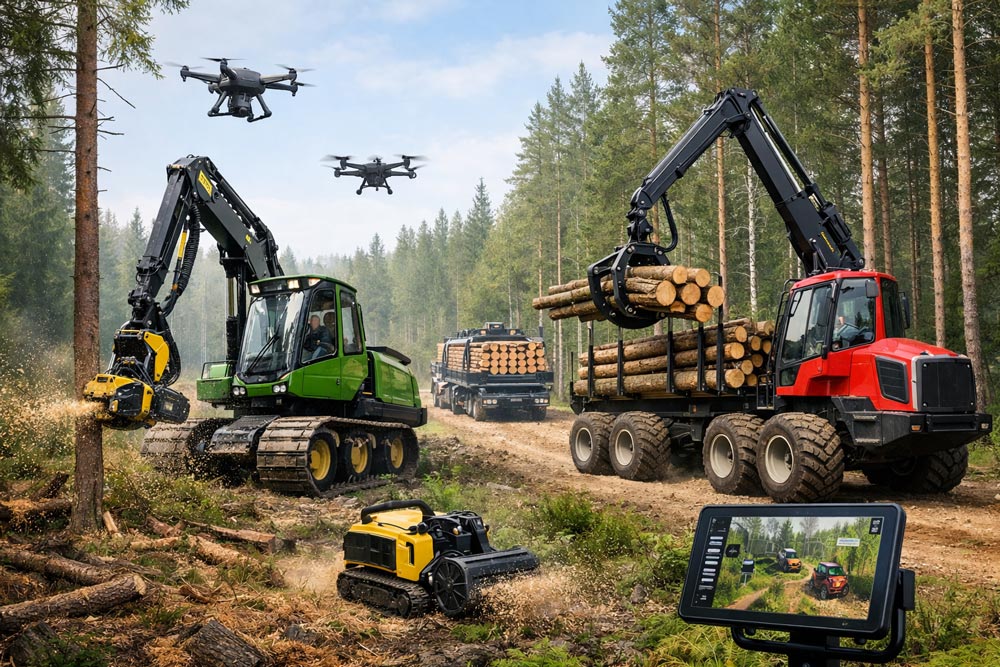
Automation and robotics transforming productivity
Automation and robotics are revolutionizing work in many domains. In essence, automation refers to employing machinery or processes to take over manual labor performed by humans. This change reduces manual work and increases processing time. For instance, in a factory, machines that transport parts or sort could operate for hours without rest. These machines operate in consistent cycles, saving on stoppages. This shift allows teams to spend time on other tasks, such as conducting quality checks or addressing issues as they arise. In everything from food packing to car making, automation has helped us hit aggressive timelines without breaking the budget.
Robotics takes this a step further, putting smart machines to work on tasks that require care and attention. Robots can move with greater precision than humans, which assists with tasks requiring extremely steady hands or that must be replicated identically every time. This reduces errors that creep in when humans become fatigued or distracted. In electronics factories, robots solder minuscule connections with no risk of slipping, and in automobile assembly plants, robots fit and weld pieces of metal to precise locations. They require precision that people have difficulty maintaining over long shifts. By using robots, there are fewer re-makes and less waste, which helps companies save money and make better products.
Real world numbers demonstrate the effect. Plants that add robots experience a 24% increase in new hires, including increased opportunities for technicians, engineers, and managers that manage tasks that robots cannot. In 12 Asian countries, between 2005 and 2015, automation assisted in the creation of 33 million new jobs a year. This bump is from both the higher output and the need for people to operate, repair, and strategize for these new tools. Even so, it isn’t always a breeze. In the US by 2019, nearly 80% of manufacturers could not fill 400,000 open positions, and some even turned down new work because they couldn’t find enough skilled people. Still, the number of robots in use in car and electronics factories grows by 10% and 19% annually between 2014 and 2019. Global industrial robot sales reached US$16.5 billion in 2018, with 422,000 units sold.
Automation is not just for big groups. For a small shop, rudimentary robots or automated gizmos can assist with packing or sorting. Big plants could employ entire robot lines working in unison. More companies are turning to ‘collaborative robots,’ or cobots, which operate alongside humans. Sales of these robots increased 11 percent in 2019, even as the rest of the market decelerated. This transition has teams learning to collaborate with unfamiliar machines and many roles that require programming, maintenance, and design skills.
AI, machine learning, and smart technology in action
From AI to machine learning to smart tools, these technologies are shaping not just how equipment functions, but how teams make decisions in many industries. These tools assist individuals in accelerating their work processes, detecting issues early, and optimizing resources. Industry 4.0, the fourth industrial revolution, combines AI, machine learning, IoT and live data to create smart, connected factories and systems.
AI-powered machinery assists in real-world decisions, such as scheduling production or allocating supply. In farming, AI tools direct tractors and harvesters to plant seeds and distribute fertilizer where they’re needed most. In logistics, AI discovers the optimal truck routes, altering them as weather or traffic changes. These tools reduce the time we waste guessing and increase the time we can put towards work where a human touch is required.
That’s where machine learning comes in to keep machines humming. These smart systems use three main types: supervised, unsupervised, and reinforcement learning. By monitoring machine data, they can detect wear or breakdown prior to something breaking. This predictive care results in less downtime repairing machines and more time getting work done. For example, in factories, machine learning can monitor products as they proceed down the line, alerting to problems before they reach consumers. The more data teams gather, the smarter these systems become, but bad or limited data sets stymie advancement. As more teams deploy these tools, machine learning is shifting from a novel concept to a necessary component of operating a plant.
Smart sensors, for example, are now a commodity component of numerous systems. They can monitor heat, velocity, pressure, or tool strain all in real time. These sensors learn from what happens around them and adjust how machines operate. For example, they might slow down a motor when it overheats or adapt settings to new tasks. In energy grids, smart meters balance supply and demand and slash waste. TinyML is a giant leap here. It places machine learning into small, ultra low-power devices, allowing even basic tools to become intelligent without consuming significant power.
AI-powered tools meet a variety of needs, from making farm work faster to protecting massive machinery. The following table presents some examples and how they satisfy different objectives.
| AI Tool Example | Main Use | Benefit | Field |
| Predictive Maintenance System | Spot machine failure early | Less downtime, lower cost | Manufacturing |
| Smart Farming Sensors | Track soil, crops, weather | Better yield, less waste | Agriculture |
| Visual Quality Control | Flag defects on assembly lines | Fewer returns, higher quality | Electronics, Auto |
| Route Optimization Platform | Plan supply chain routes | Faster delivery, less fuel use | Logistics, Retail |
| TinyML Devices | Small smart sensors on machines | Low power, real-time feedback | Utilities, Industry |
With AI and machine learning, it’s all about making work better and faster. They allow machines to do work that used to require humans to make snap decisions, so groups can concentrate on work that demands expertise or attention. As these tools become ubiquitous, more teams will experience such increases in what they can do and how well they can serve their users.
Real-time monitoring and IoT connectivity
Cutting-edge equipment with real-time monitoring and IoT connectivity enables teams to see what’s transpiring in the moment. IoT-connected devices provide real-time information from sensors embedded in equipment, automobiles, or even wearables. This info streams directly to the cloud, simplifying the tracking of critical metrics such as motor temperature, heart rate, or power consumption. For instance, in healthcare, IoT can monitor a patient’s heart rate and oxygen levels throughout the day, sending alerts if something goes awry. This information keeps workers aware and able to identify issues before they become more costly, reducing costs and waste. For factories, farms, or hospitals with equipment dispersed across multiple locations, real-time monitoring is nothing short of a revolution. You don’t have to send staff from site to site to see if every machine’s running fine. Instead, remote IoT sensors, typically wireless or battery-powered, operate in inaccessible or far-flung locations. They transmit these updates in real time to a central dashboard that managers can access from anywhere with an internet connection. This allows teams to resolve issues quicker and maintain better operations.
Remote equipment monitoring is particularly useful for organizations with equipment in multiple locations. With real-time monitoring, teams can monitor machines, vehicles, or tools in separate cities or even countries. If something begins to go awry, such as an output drop or strange vibration, the solution detects it immediately. This enables employees to respond immediately, frequently even before something breaks. Predictive maintenance is an additional bonus. By tracking data trends, companies can schedule repairs when necessary, not just on a timetable, so machines last longer and downtime decreases. That saves more than hours and cuts expenses on repairs and replacement parts as well.
Real-time monitoring and IoT connectivity about, real-time analytics has become critical for quickly adapting operations. IoT platforms can ingest thousands of data points every minute. Armed with the proper analytics, this data can reveal patterns, such as a component wearing out sooner than anticipated or a consistent decline in power consumption following a process adjustment. Managers can use these insights to make decisions in real-time, whether that’s slowing down a production line, swapping out parts or tweaking settings. For instance, a factory might detect that a machine’s motor is overheating, so they reduce the speed of the line to prevent failure. These rapid, data-driven adjustments keep teams agile and efficient.
Checklist for building a secure IoT network:
- Strong and unique passwords should be used for each device to avoid being easily hacked.
- Update your device firmware frequently to patch security holes immediately.
- Whatever your setup—WiFi for most sites, cellular for mobile gear, Zigbee or LoRaWAN in sprawling locations with numerous devices—choose the connectivity that is right for you.
- Position sensors cleverly so you cover all hot spots and secure them from interference.
- Ensure that any information transmitted between the devices and the cloud is encrypted.
- Restrict access permissions to ensure that only authorized individuals can view or modify sensitive data.
- Monitor traffic for odd patterns that could indicate a breach.
- Educate employees on how to best use and manage IoT equipment.

Sustainability and efficiency through innovation
Innovative technology is revolutionizing the way we work with nature, making us more effective and gentle. More machines and tools now consume less electricity, conserve water, and reduce waste. This transition is not just good for the planet, it also makes farms and factories more efficient and profitable.
What makes eco-friendly machines different is that they utilize intelligent systems to reduce energy consumption. For instance, autonomous tractors and harvesters consume roughly 15 to 20 percent less fuel than legacy equipment. They generate less carbon dioxide, which mitigates climate change. Drip irrigation is another giant leap forward. By hydrating crops with small, consistent amounts of water, they absorb 40 to 60 percent less than traditional sprinklers, preserving groundwater. Vertical farms where plants are grown in indoor stacks reduce land use by as much as 98 percent. They prevent deforestation and preserve wildlife.
Innovative new means of conserving and eliminating waste are making an impact too. Precision farming tools deliver exactly what plants need using sensors and satellite data. This has caused a 20-30% reduction in fertilizer application, meaning less nitrogen seeps into waterways. When AI and machine learning come to the farm, they help direct decisions on what gets planted, watered, and harvested. With more than 90% precision, they translate to less error and less waste. Automated cover crop planters can increase soil water retention by 15-20%. They increase organic carbon content, which maintains soil health and vitality for years to come.
Sustainable equipment aids compliance with regulations and standards set by governments and international organizations. Most areas have to use less water, produce less emissions, and take better care of the soil. With these new machines, companies can skirt penalties and keep up with evolving regulations. Digital tools and automation help plug labor shortages by making work speedier and more dependable. Climate-smart crops, such as drought-resistant maize, can maintain yields by 35 to 50 percent despite rainfall deficits. This aids in locking down food and halting crop fatalities.
Current technology can meet rigorous global standards, demonstrating to consumers and regulators that these implements are effective while preserving the earth. Some of the key certifications and standards include:
- ISO 14001 (Environmental Management Systems)
- ENERGY STAR (energy efficiency)
- GlobalG.A.P. (good agricultural practices)
- EU Ecolabel (products with reduced environmental impact)
- CE Marking (Safety and Environmental – European Economic Area)
- USDA Certified Biobased Product (verifies renewable content)
Real-world cases, from drip irrigation to robot harvesters, demonstrate how fresh tools deliver both greater harvests and less damage. These aren’t just technical updates; they’re genuine moves toward a more sustainable future.
Overcoming challenges and maximizing benefits
State-of-the-art technology has transformed the way industries operate, yet introducing new tools presents genuine challenges. Cost may prevent companies from upgrading, especially if their budget is constrained. There’s resistance from squads who may not want to abandon instruments they’re familiar with. In construction, this translates to addressing concerns of job stability, the intimidation of experimenting, and deficiencies in expertise. Not everyone is willing to learn a new system and if the team isn’t behind you, it can drag projects or even cause them to stall. At times, the structure of these rewards is not aligned with this drive for new technology, making it difficult to get everyone pulling in the same direction.
Figuring out if new gear actually pays off is crucial. It helps to go in with clear goals, such as measuring work speed increases, machine failures, or even a reduction of accidents on site. With simple tools like spreadsheets or project management apps, teams can record fluctuations in speed, costs, and downtime. For instance, if a business introduces automation-powered machines, such as self-driving trucks or robotic arms, they’ll know exactly how many hours are saved per task. Watching safety numbers also counts because fewer injuries mean less lost time and lower insurance costs. When you compare those numbers with the cost of new equipment, you’ll know if it’s worthwhile. This process operates in many industries, but in construction, where the shift to more automated machines and smart sensors has simplified seeing these gains as they happen.
To survive and thrive, it’s not enough to simply purchase the latest instrument. Routine inspections and intelligent servicing schedules have a lot to do with extending machine time and improving productivity. By employing IoT, teams can surveil equipment constantly, detecting minor issues before they become large. Predictive maintenance is a leap ahead. Companies can address troubles before a breakdown occurs, reducing downtime by using sensors and AI. For example, a sensor-equipped crane can detect when a component is becoming worn. By addressing it early, the crane remains secure and available for immediate use. Such planning not only controls costs but makes sites safer for workers.
It takes a team effort to make these changes stick. As these vehicles navigate through uncharted waters, cross-functional teams mixing people from tech, operations, and safety help companies get the most out of new tools. These cohorts can identify areas for optimization, exchange successes and learnings, and continue experimenting. It’s not just about adopting new technology; it’s about creating a culture where innovating is the norm. With champions from every corner of the company, it’s simpler to gain buy-in, train teams, and maintain a shared focus on safety and outcomes.