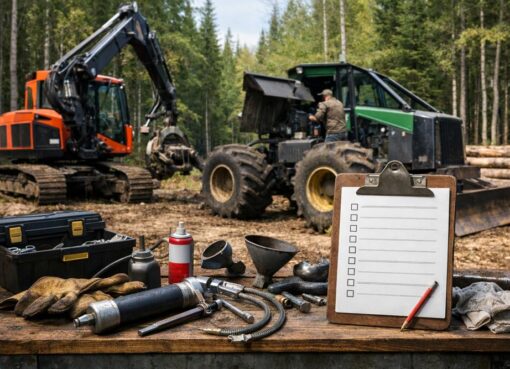
Preventive maintenance tips to extend equipment lifespan

Why preventive maintenance matters for equipment longevity
That’s why preventive maintenance pays off. It’s about proactive patience—small, consistent actions prior to the arrival of serious trouble. Fine maintenance leads to less downtime, lower costs, and a safer place to work. By making routine inspections a regular part of the schedule, businesses are able to extend the life and receive more return from each piece of equipment.
About: Why preventive maintenance matters for equipment longevity As most machines do, the equipment sends warning signs before it breaks down, such as unusual noises, leaks, or components that appear worn or frayed. When discovered early, easy remedies like swapping a belt or clearing a filter can prevent minor issues from becoming major. When a machine breaks down, work stops, and that means time and money. Industry studies demonstrate that it can reduce downtime and repair costs. For instance, a business that inspects conveyor belts monthly can detect deterioration before the belt tears and production stops. By catching these signs, you can avoid long waits for repairs and the expensive cost of emergency service. A solid maintenance regimen can extend equipment lifespan by 20 to 40 percent relative to machines that are only repaired post-breakdown.
Keeping machines in tiptop shape is a savvy way to maximize return on investment. When equipment runs the way it should, it consumes less power, operates quicker, and requires less service. Over time, this translates into major savings. For instance, dirty air filters in an air compressor cause the motor to run harder and consume more power. When you replace the filter on a regular timetable, energy consumption declines and the entire system endures. Research indicates that neglecting some care can reduce the productive force of a piece of equipment by 5 to 20 percent. By committing to a decent schedule, businesses can accomplish more work with the same equipment and delay the expense of new purchases. Maintenance keeps the equipment’s warranty in good standing and bolsters resale value, as buyers tend to want to see a solid service history.
There’s a safety angle as well. Worn parts, loose bolts and leaks can rapidly become hazards. Frequent inspections aid in identifying these dangers prior to injuring an individual or causing property damage. For example, a basic check of brakes and safety guards on a forklift can identify wear or malfunction before it becomes a danger. Addressing these concerns eliminates hazards and makes the worksite safer for all. In some industries, missing inspections translates to more accidents and more days lost to injury. By incorporating safety into preventive maintenance, companies save both lives and machines.
Catching small problems early is the best way to reduce repair bills and extend replacement cycles. If you repair a machine only once it breaks, the damage is likely to have spread to other components and the repair may be more involved and more expensive. For instance, neglecting to do an oil change on a generator can cause engine damage which requires a rebuild rather than an oil change. By using real-world data and monitoring how equipment is operating, maintenance teams can schedule intelligent repairs and bypass costly unexpected expenses. Over the long run, this approach keeps equipment on the job longer and reduces the total cost of ownership.
Equipment types and unique maintenance needs
All types of equipment, whether it’s HVAC systems, vehicles, or industrial machinery, have specific maintenance requirements. These needs are based on the nature and frequency of your equipment runs, the environment it is in, and the significance of downtime for your business or lifestyle. Understanding these distinctions assists in maintaining your equipment longer and reduces expensive repair calls.
For HVAC systems, periodic inspections and cleaning are crucial. Dust and debris accumulate over time, which can impede airflow and cause the unit to work harder than necessary. Filters need cleaning or changing approximately every three months to keep things running smoothly. Coils and fans should be inspected for debris or damage as well. More frequent inspections are required if the HVAC operates in dusty or humid environments or if it cools a large space. They typically include sensors capable of detecting issues early, such as unusual temperature fluctuations or pressure decreases. Using this information aids in scheduling repairs before minor problems become major.
Cars or trucks all perform best with a combination of time and usage-based maintenance. Oil changes, brake checks, and tire rotations need to be scheduled or occur at a specific number of kilometers. The more it is driven, or the harsher the road or climate, the more frequent the needs. Heavy loads or cars that run in extreme heat or cold wear out faster, so maintenance needs to be stepped up. Belt, gear, and fluid inspections prevent moving parts from grinding down. For trucks or vans critical to daily business, daily or weekly inspections can prevent breakdowns that bring work to a halt.
Manufacturing machines come in a great variety of shapes and sizes, and their needs can be intricate. Machinery that has numerous moving components, such as those that are belt or gear-driven, requires regular oiling and greasing to prevent excessive wear. Any machinery operating 24/7 or in dusty or damp locations requires more regular inspections. Others employ sensors that monitor for unusual vibration or heat, allowing you to detect problems prior to a failure. Custom or critical line machines frequently require specialized tools or trained techs to perform repairs. For these, keeping up with the maker’s guide and having trained staff is a must.
| Equipment Type | Unique Maintenance Needs | Maintenance Frequency |
| HVAC Systems | Filter cleaning, coil checks, sensor monitoring | Every 3 months, more if high use or harsh conditions |
| Vehicles | Oil changes, brake checks, belt and fluid checks | Based on kilometers driven or every few months |
| Manufacturing Machines | Lubrication, vibration monitoring, skilled technician checks | Based on hours run, daily for high-usage equipment |
As for essential equipment, such as equipment related to safety or to expensive downtime, inspections should be more frequent, perhaps even daily. Predictive maintenance tools, such as sensors that monitor vibration or heat, are useful for getting ahead of potential concerns. Each maintenance plan should be informed by how intensively the equipment is used, where it is used, and how much a breakdown would impede your operations.
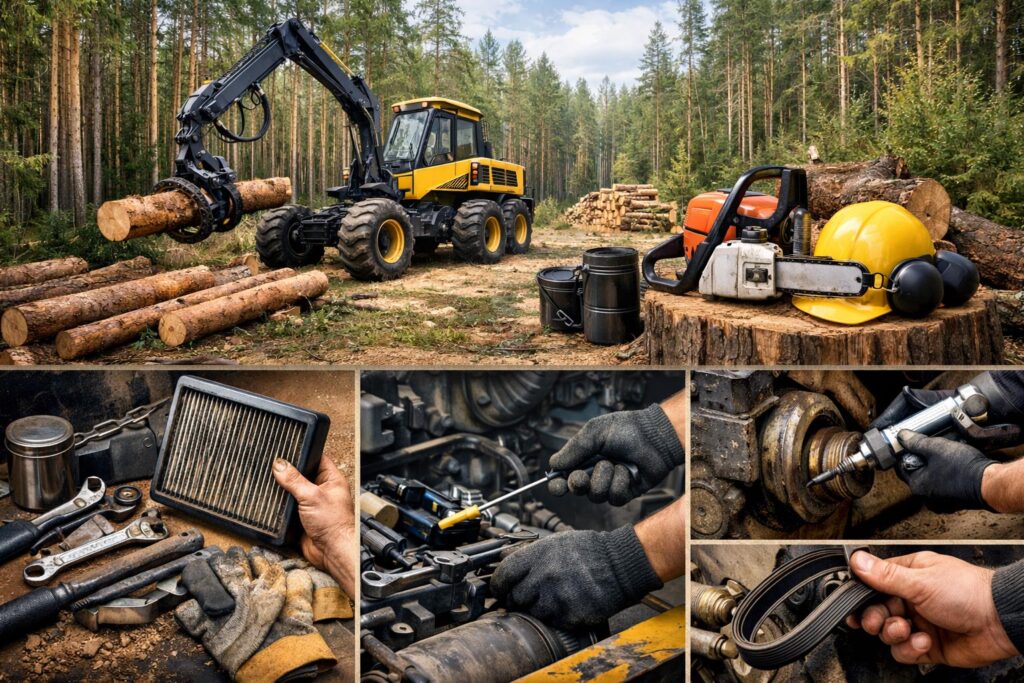
Essential preventive maintenance practices
A good preventive maintenance schedule keeps equipment running longer and reduces unexpected failures. It begins with understanding what machines matter. Evaluating criticality involves prioritizing each item by the degree your work relies on it and the amount of danger it poses to safety should it malfunction. For instance, a production line’s primary conveyor or a hospital’s emergency generator would be high priority. This step informs how much time and attention each asset receives and allows teams to invest their resources where it counts.
A consistent check-up regimen is the heart of preventive maintenance. Inspections ought to seek out leaks, strange sounds, and obvious wear and tear. They tend to surface well in advance of catastrophic failure. For example, a minor oil leak beneath a compressor or a serpentine belt that screeches when it runs can alert you to problems ahead. Visual inspection, hearing changes, and feeling for heat or vibration are simple but potent means of detecting trouble. Inspections might be daily, weekly, or monthly, depending on how critical or hard-used the equipment is. Others, such as inspecting coolant levels or searching for loose bolts, might be simple daily tasks. More in-depth inspections, such as inspecting for worn bearings or cracked hoses, could be packaged as quarterly or even semi-annual checks.
Cleaning is important. Dust, grease, and even tiny bits of junk accumulate quickly in a lot of work environments. That, over time, can clog airflow, lead to overheating, or cause things to stick. Cleaning should involve wiping down surfaces, clearing vents, and cleaning or replacing filters. For instance, a clogged HVAC filter forces your system to work harder, wasting energy and shortening the lifespan of components. In food processing, frequent cleaning assists in satisfying health regulations and ensures equipment remains safe and dependable.
Lubrication prevents moving parts from grinding against each other. Adhering to the maker’s recommendations for lubricant type and frequency reduces friction and premature component wear. For example, overlooking grease on a forklift’s mast or chain oil on a conveyor can result in costly repairs. Lubrication can be based on either time, such as monthly, or usage, such as every 200 hours. None of the parts require the same schedule, so consult your manual and fine-tune accordingly.
There’s more to maintaining a log than paperwork. Log every service entry along with the date, task, parts checked or replaced, and any wonky discoveries. This history aids in identifying trends, such as a particular pump requiring new seals every quarter. It simplifies demonstrating maintenance was performed if warranty issues arise. Logs can be paper or digital, but what counts is that they’re current and easy to review.
Preventive maintenance really boils down to four flavors that keep you in the clear: periodic, meter-based, predictive, and prescriptive. Periodic is calendared, such as changing air filters monthly. Meter-based is based on actual usage, such as servicing a forklift every 200 hours. Predictive uses sensors and data to estimate when a part will need replacing, while prescriptive recommends actions based on all the data. These strategies assist you in being proactive against failures and reduce expensive last minute repair jobs. Research indicates that shifting to predictive or preventive maintenance can increase equipment lifespan by 20 to 40 percent and reduce repair costs by approximately 30 to 40 percent.
Recognizing warning signs and addressing issues early
It’s identifying the red flags and nipping things in the bud that’s really important when it comes to maintaining machinery and extending its life. This means looking past age and considering frequency and intensity of use. All machinery gives you warning signs before it fails. Catching these signs early not only saves money, but can maintain a safe work environment and aid compliance with legal or industry standards.
Watch for performance changes. It’s running slower, or less powerful, or less efficient. Machines are known to give little hints when something isn’t okay. Decreased speed, decreased power, or decreased output can indicate that components are becoming worn or something is obstructing the normal flow. For instance, a pump that pushes less water than usual or a conveyor belt that moves slower could have underlying problems such as a clogged filter or loose belt. These headaches end up causing more power consumption, bigger bills, and worse, larger failures. The folks working with the machinery day in and day out should be aware of what “normal” looks like so they can recognize these changes immediately. Regular inspections help catch these changes early, allowing crews to repair small issues before they escalate into big breakdowns.
Don’t wait to fix it if you hear odd noises, feel strange vibrations, or smell anything weird. Machines tend to be noisy or start vibrating when something is off. These can be grinding, rattling, squeaking, or weird hums. Strange odors, such as burning or oil, can indicate a part is overheating or not receiving adequate lubrication. For example, broken bearing fans can buzz or shake, and motors can emit a sharp scent if a coil begins to burn. If you neglect these signs, you may be on the path to total failure and extended downtime. That’s why acting quickly when these clues appear can prevent harm before it spreads and keep repair costs low. Fast reporting and response help with workplace safety.
Train operators to report irregularities immediately. Operators are with the equipment the most and are generally the first to realize when something’s awry. Teaching them to speak up immediately instead of waiting for a planned check keeps little problems from becoming big ones. This can be as basic as completing an incident report or making an entry in a communal ticketing system. A good maintenance culture is established when all individuals believe the tools and machines they utilize are in good health.
Create a checklist of common warning signs for each type of equipment to help identify issues faster. A checklist makes sure everyone knows what to look for, even if they’re new on the job. These warning signs can be leaks, loose wires, worn hoses, or even temperature changes. Checklists facilitate rapid visual inspections and pattern recognition. With a plan like weekly or monthly inspections, teams disrupt the ‘wait for it to break’ feedback loop and cultivate behaviors that extend machine life. This organization keeps folks accountable and helps catch random-cause-driven issues. The bathtub curve model notes that this is far more common than age-driven wear.

Building an effective maintenance schedule
A maintenance schedule is a good base for keeping equipment in shape and extending the lifecycle. These plans help teams catch issues before they lead to lengthy stoppages or jeopardize safety. The proper plan keeps things running smoothly, so it’s worth your time to make sure you get it right from the beginning.
Establish maintenance schedule intervals according to manufacturer recommendations and operational exposure data. Every machine arrives with a manual that tells you when to inspect or replace components. These rules of thumb are a good starting point, but practical experience sometimes calls for more or less maintenance. A machine that operates 24/7 will require more attention than one that’s used a couple of hours per week. Usage-based maintenance means monitoring how long or how hard a machine operates and scheduling repairs accordingly. Predictive maintenance goes a step further, using sensors or software to indicate when a part is wearing down so teams can know the optimal time to intervene. Prescriptive maintenance extends that by recommending what to do and when based on both data and human expertise. In either case, taking a look back at both your manual and your usage provides a good perspective on when to act.
Use a calendar or digital tool to organize and remind teams of upcoming tasks. Paper calendars will do, but digital tools are quicker and simpler, particularly if you have a big team or a site with a lot of equipment. Others integrate with building automation systems or IoT sensors, allowing them to plan work according to real-time information. That way, it is easy to view what needs doing, send reminders, and keep records all in one place. A monthly checklist per machine enables teams to check off the work and catch tiny issues before they escalate. These checklists further ensure safety by ensuring that nothing is overlooked.
Strike a balance between preventive maintenance and operational needs to keep downtime to a minimum. It’s not always convenient to turn off machines to inspect them, particularly when it’s instrumental to everyday tasks. The key is scheduling them during slow times, such as after hours or between shifts, so that both operations and customer service don’t take a big hit. Give machines impacting safety or core services higher priority. For example, a conveyor belt in a busy warehouse requires more careful planning than a backup generator that hardly ever runs. If a machine is used more than anticipated or if customer requirements fluctuate, adjustments should be made.
Monitor and refine the schedule periodically according to machinery behavior and input. Checklists and logs from previous maintenance indicate what is effective and what isn’t. Teams should review these logs to identify trends, such as whether breakdowns consistently occur after a specific number of hours. Feedback from staff who use the machines daily is just as valuable; they hear strange noises or catch lags that won’t appear in reports. Measuring and tracking these activities makes it easier to demonstrate what the maintenance plan does well and where it can improve. Flexibility to change and tweak your plan keeps it robust and prevents expensive surprises.
Training and empowering your team
Training and empowering your team is key to building a solid PM program that lasts. When staff know what to do and why it matters, equipment runs longer and better. The first component is hands-on training. This sort of hands-on learning gets individuals actual hands-on practice with the equipment and machinery they must maintain. For instance, employees could observe a brief demonstration on checking oil levels, then practice on their own equipment with a supervisor providing guidance. This type of hands-on work sticks better than reading manuals. It reveals when someone may require additional support or training. Good training doesn’t end after a single session, either. Teams require check-ins and fresh lessons, particularly as new gear or standards roll in. Continued support keeps skills fresh and makes people feel more confident in their roles, which can reduce errors and improve morale.
Clear roles go a long way to effectiveness in preventive maintenance. Everyone needs to know what they own, when to do it and who to notify if something breaks. Giving them tasks such as daily clean, weekly inspection or monthly filter exchange means that nothing slips through the cracks. For instance, one team member might be responsible for greasing bearings while another logs all maintenance work in a shared system. A well written checklist or digital reminders can keep everyone on track. When individuals understand their responsibilities, they tend to take pride in them and rise to the occasion when issues emerge. Well defined roles make it easier to identify gaps or overlaps, so teams can collaborate more efficiently.
Open talk catches little issues before they become big problems. When you train your team to feel safe mentioning those strange noises, leaks, or wear and tear, repairs and fixes can occur faster. Less downtime leads to less expensive fixes. Establishing an easy mechanism for reporting problems, such as a communal message board or a brief daily huddle, can tear down communication silos and keep the entire team in the loop. Open talk assists with cross-training, as individuals pick up tips and tricks from one another. When staff switch roles or back each other up, it fosters camaraderie and keeps everyone prepared for anything.
Recognizing good work goes a long way. Easy rewards, such as a thank-you note or a team lunch, demonstrate that management appreciates individuals who identify and address issues at the nascent stage. This increases job satisfaction and can make individuals more willing to do more. Over time, these small gestures contribute to a culture where everyone feels empowered to make decisions and take initiative. Teams that feel empowered tend to stay and innovate, which grows the entire company.

Leveraging technology for smarter maintenance
Technology in preventive maintenance makes it smarter. Tools like CMMS software, sensors, and data analytics simplify how you monitor, schedule, and optimize your care for machines. These fit a variety of industries and are applicable to a range of business sizes and requirements.
A CMMS is a software platform that houses all maintenance information, schedules, and work orders in a single place. That translates to no more lost records or last-minute paper slips. With a CMMS, teams can configure automatic reminders for recurring work, like checking filters or oil, and dispatch work to the appropriate technicians. This prevents missed steps and reduces breakdowns. When all the maintenance info is digital, it’s easy to view what’s been done and what still needs to be done. Scheduling is simpler as well. You can select downtimes when machines aren’t being used, so you don’t waste time with overhead during prime hours. This type of system allows you to monitor expenses, components, and manpower for each job, making it significantly easier to budget and identify areas for savings.
Sensors and IoT take this even further. These tiny sensors monitor critical information, such as vibration, pressure, or temperature, in real time. If a reading falls out of the normal range, it alerts you so you can address an issue before it escalates. For instance, a motor that begins to operate hot can be identified as a candidate for repair before it breaks down. Whether in a factory, hospital, or data center, this results in reduced unexpected downtime and fewer expensive repair jobs. When used well, IoT devices enable teams to detect issues earlier, modify maintenance schedules, and make data-based decisions. This can increase equipment life by twenty to forty percent and reduce repair costs by as much as forty percent.
Analyzing data from such systems is crucial. With AI and machine learning, you can identify patterns and discover what components of your machinery are poised to break down. Tools can analyze years of data to show when a certain pump or fan needs service or when a filter gets clogged. It’s called predictive maintenance. It assists in scheduling work solely when required rather than merely by the calendar. Others even take this further, using prescriptive maintenance. They don’t just alert you to a probable failure; they recommend the optimal repair. These moves can sidestep critical fixes and enable you to think in the long run.
Reporting is a big piece of smarter maintenance. With all your data in one system, it’s simple to run reports and see how your maintenance plan is doing. It lets you check how much downtime you’ve avoided, how costs are trending, and where you can do better. This fuels a virtuous cycle of continuous improvement and allows teams to communicate transparent results back to management.