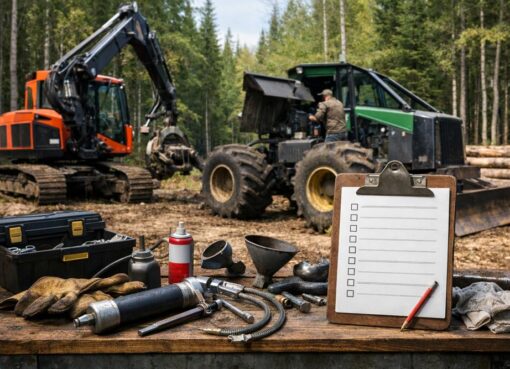
Seasonal maintenance strategies for heavy-duty equipment
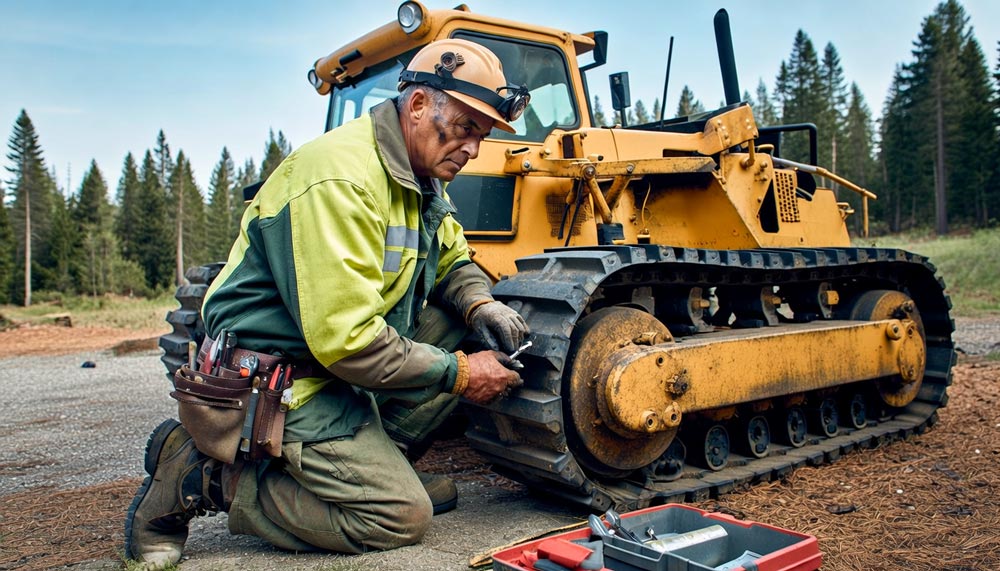
Why seasonal maintenance matters for heavy-duty equipment
Heavy-duty equipment sees brutal working conditions all year long. Seasonal shifts put a lot of stress on key systems, like hydraulics, engines, and electrical components. Cold winters can bog down batteries, stiffen fluids, and force starting systems to work harder. Hot summers overheat engines and put added strain on cooling systems. Even when equipment isn’t running, components can rust, seals can dry, and tiny leaks can become larger. Neglecting these shifts can result in unexpected failures and additional expenses.
That’s why proactive maintenance is important. Catching issues before they become major repairs will save you a lot of money. For example, a loose hose or skipped fluid change can lead to a breakdown that halts work and sets you back thousands in repairs. Identifying small hydraulic leaks or worn belts during these inspections can prevent minor issues from becoming major problems. Regular jobs such as inspecting fluid levels, cleaning air filters, and greasing moving parts help keep equipment operating correctly. In many instances, utilizing genuine parts to make repairs or replacements will reduce wear and tear as well.
Routine attention and care instills value and confidence in equipment. Daily inspections, particularly when a season starts, can catch things before they get worse. Washing dirt and debris away assists cooling systems and prevents rust. Greasing joints and bearings prevents components from wearing out prematurely. Owners who adhere to a scheduled maintenance schedule tend to find their machines can hold up for much longer, sometimes 10 years and beyond. This doesn’t just conserve repair invoices; it maintains the resale cost higher when you’re ready to improve.
Seasonal maintenance is about being time smart and money smart. Looking ahead with a defined calendar of maintenance tasks helps guarantee that nothing slips through the cracks. Marking out work such as oil changes, coolant flushes or battery checks on a shared team calendar can help keep everyone on track. Examining previous downtime and repair records aids in identifying trends or recurring issues, allowing you to address the underlying cause rather than just applying a band-aid every time. It reduces unexpected breakdowns in the busy season and keeps projects on track.
Idle equipment requires care. Machinery that rests idle for weeks or months will create unseen issues. Seals can crack, tires can lose pressure, and fluids can break down. These quick seasonal maintenance steps can help ensure that your heavy-duty, off-road equipment is ready to get you through the spring season with minimal downtime. Neglecting machines sitting idle can result in huge repair costs when they are needed the most.
Identifying climate-driven challenges for equipment
Heavy-duty equipment encounters various risks intertwined with their region’s climate and weather changes. These hazards have the potential to modify machine operation, durability, and safety. For operators and owners, knowing what can go wrong in different seasons is a big part of keeping things humming and staving off major repair invoices.
Typical weather-related risks for heavy-duty equipment are corrosion, overheating and cold starts. Corrosion occurs when moisture, rain or damp air lingers, causing rust on metal components and wear on electrical systems. Overheating occurs in hot spells, which increases the likelihood of engine and hydraulic system failures, particularly if temperatures exceed 40°C (105°F). Cold starts can be a struggle when air temperatures fall near or below 0°C (32°F) as engines and batteries alike lose power and efficiency.
- Humidity: High humidity can speed up rust and degrade wiring, connectors, and other exposed parts. Equipment parked or stored in moist conditions can typically experience more corrosion on frames, joints, and engine components. Water can infiltrate electrical housings, causing shorts or faults. In areas of high rainfall and ‘green’ seasons, it’s typical to notice accelerated brake, bearing, and hydraulic line wear because of water being trapped.
- Temperature swings: Large swings in temperature, such as from -30°C (-22°F) in winter to 40°C (105°F) or higher in summer, put stress on all equipment systems. These shifts make metal and plastic components expand and contract, resulting in cracks, seal breaks, and leaks. Engines can overheat in hot weather, with oil and hydraulic fluids degrading quicker. In cold weather, oil in the engine thickens and batteries lose as much as 60% of their cranking power at -18°C (0°F). Wires and insulation can soften and melt above 90°C (195°F), resulting in power loss or even fire.
- Precipitation: Heavy rain and snow bring their own set of issues. Water can infiltrate gearboxes, fuel tanks, and control panels, leading to rust or system errors. In freezing conditions, water in lines or tanks can freeze and crack parts. Snow and ice can accumulate on moving parts or obstruct air intakes, forcing engines to work harder or stall.
Operators should track local weather data and schedule around predictable climate trends. For example, if a region commonly experiences summer highs over 40°C (105°F) or winter lows below -20°C (-4°F), maintenance and equipment checks should consider these extremes. It helps to maintain some basic records, such as a table, to document when and how weather has affected equipment performance. These notes can help direct when to transition to winter-grade oils, test batteries, or inspect for rust and leaks prior to each season.
| Climate Impact | Equipment Affected | Notes |
| High humidity | Metal frames, wiring | Rust, electrical shorts |
| Temperature swing | Engines, seals, batteries | Overheating, cracking, power loss |
| Heavy rain/snow | Hydraulics, fuel, controls | Water ingress, freezing, system faults |
Key components requiring seasonal attention
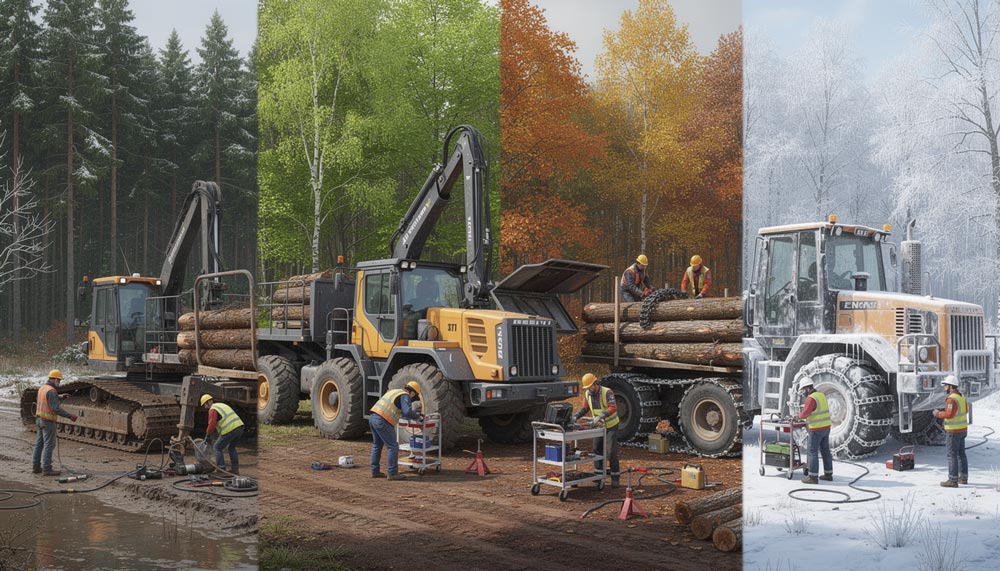
Heavy-duty equipment operates in harsh environments all year long, so maintaining the right components every season keeps operations fluid. Tremendous temperature swings occasionally exceed 160° between winter and summer and take a toll on machines quickly. If you want to keep downtime low and extend the life of your gear, establish a checklist for every season. Begin by addressing essentials such as filters, belts, hoses, fluids, and electrical lines. List other points that fit the weather and region.
For spring, focus on calibration and detail checks. This is your opportunity to catch issues that may have arisen over winter. Inspect and replace air, fuel, and oil filters. Filters collect dust and grit, which accumulate when equipment parks in a location or plows through dirt. Inspect belts and hoses for cracks or soft spots as rubber can dry out or snap when it warms up. Test electrical connections and wiring for rust or loose fits. Tires need a good look too. Sitting around for a long time can give those little buggers flat spots, so check pressure and tread. Spring is a season to test safety controls, warning lights, and alarms, ensuring everything is primed for another year of service.
Summer has its own dangers, particularly in sizzling hot zones where air conditioning units run relentlessly. Heat-related breakdowns are among the leading causes of failure this season. Clean radiators and coolers, check coolant levels, and flush if necessary. Swap out any worn or leaking hoses. A properly maintained cooling system can reduce overheating occurrences by more than 70 percent and extend the life of related components like hoses and pumps by up to 30 percent longer. Don’t overlook tyre pressure—hot weather causes air to expand, so check and adjust frequently. Oil and hydraulic fluids should correspond with the temperature range you anticipate, per the manufacturer’s recommendations.
Autumn is when you get ready for the chill. Fluids should be changed to types that work better in low temperatures. Check the furnace and ensure thermal protectors are in place. Batteries need a seasonal test, charge, and cleaning because cold can really suck the charge out fast. Treat diesel with winter additives to prevent gelling. Secure loose parts and insulate exposed fittings against ice and moisture. It’s not merely a matter of stashing machines under cover. Antifreeze, winter fuel, and battery care are just as key.
Freezing places demand winter action. Make sure heat and defrost work. Apply cold-weather lubricants and inspect seals for leaks or cracks. Put on thermal covers or block heaters if necessary. I like to let engines warm slowly to avoid shock. These key steps prevent breakdowns and keep equipment ready to work, regardless of how cold it gets.
Seasonal strategies for winter, summer, and transitions
Seasonal maintenance keeps your heavy-duty equipment in tip-top shape and avoids costly repairs. Each season has its own dangers and if you don’t account for it you’re heading for a huge meltdown. Winter and summer are the toughest, but the changeover months are equally crucial. A climate risk check considering your local weather, your historical failures, and how your machines fare assists in selecting the appropriate actions for each season. New tools including weather data feeds, smart temperature sensors and predictive software can reveal what needs work weeks before it’s too late. These savvy steps reduce failures, extend partial lives, and cut costs in the long haul.
Winter is rough on gear. Cold snaps can be responsible for over 40 percent of all season-related breakdowns. To keep things running, winterization steps should focus on cold weather failures:
- Switch all fluids to colder, lower-freezing-point ones, such as hydraulic oil and engine coolant.
- Test the battery’s charge and replace weak batteries.
- Put anti-gel and water removers in fuel tanks.
- Inspect and insulate electrical wiring, connectors, and exposed hoses.
- Use block heaters or battery warmers for overnight storage.
- Check tire pressure and tread for icy conditions.
- Lubricate all moving parts with winter-grade grease.
- Wash and put away any parts or attachments you won’t need this winter.
Doing these things before the first freeze can prevent 80 percent of cold-weather failures, keeping projects on track even as temperatures drop.
Summer has its own issues, primarily from heat. Almost 35% of summer breakdowns in hotter regions are due to cooling and hydraulics. Stopping overheating, keeping the air flowing, and watching tire wear are essential. A thorough summer check should include:
- Inspect cooling systems for leaks, clogs, and fan operation.
- Flush and replace coolant in accordance with the manufacturer’s specifications.
- Clean or replace air filters to maintain high airflow.
- Check and adjust tire pressure for higher ground temperatures.
- Inspect hydraulic hoses and seals for leaks or cracks.
- Ensure A/C systems and operator cabs are functioning properly.
- Remove debris from radiators and grills to help cooling.
These steps reduce the strain on critical components and prevent unexpected heat-induced breakdowns.
Transition months, both spring and fall, are the best times for deeper checks and fixes. The objective is to identify wear from the previous season and prepare for what’s to come. Key tasks should include:
- Check all seals and weather stripping for cracks or leaks.
- Update all fluid levels and replace where needed.
- Calibrate and troubleshoot temperature, pressure, and flow sensors.
- Deep clean the machine, removing dirt, salt, or debris.
- Plan major tune-ups or repairs during off seasons.
Performing these tasks during slower periods reduces downtime and extends equipment life. Simple inspections between hot and cold seasons prevent minor issues from becoming major ones.
Routine inspections and preventive care guidelines
Specifically, routine inspections and preventive care guidelines keep heavy-duty equipment safe, reliable, and running longer. Adhering to a schedule of checks and maintenance can prevent catastrophic failures and be economical. It serves to satisfy safety regulations and prevents crews from being injured.
- Check all moving parts, belts, and hoses for damage or wear.
- Look for leaks in hydraulic lines and fuel systems
- Test brakes, lights, gauges, and safety features for proper operation.
- Check tires or tracks for pressure, wear and alignment.
- Clean gear every day to remove dirt, mud, or debris.
- Go over your fluid levels—oil, coolant, hydraulic fluid—and top off as necessary.
- Be on the lookout for strange noises that could indicate more serious issues.
- Record findings and fixes in a shared maintenance log
- Follow a regular service schedule measured in engine hours or cycles, not just dates.
Lubrication and fluids check are standard in any preventive care guidelines. Missing these can make anything with moving parts grind, overheat, or seize. Follow a fixed schedule and apply the appropriate oils and greases according to the machinery manufacturer’s manual. For instance, during cold months, apply low-temperature grease to ensure your joints stay smooth. Regularly inspect and replace fluids such as engine oil, coolant, and brake fluid. These fluids should always be checked and refilled. They keep engines cool, parts greased and moving, and systems protected against rust and wear.
Recording each inspection and repair is essential. A central log simplifies tracking who performed what and when. This aids in identifying trends, like a component that continues to go out, so you can address the underlying issue rather than merely troubleshooting. It’s crucial to keep safety regulations up and look to the future. Maintaining clean records can increase resale value and alleviate audit stress. You might try a digital tool or calendar with reminders to keep teams on track.
Cleaning is about more than aesthetics. Dirt and grime can clog air filters, mask hidden cracks, or accelerate corrosion. Daily cleaning keeps the risk minimal. High-pressure water, soft brushes, or air hoses are good for most work. Be particularly mindful of engine bays, radiators, and undercarriages. These areas accumulate the most muck. In winter, rinsing off salt is even more crucial to prevent rust. Squads should wipe down windows, mirrors, and lights.
Idling the engine for five minutes prior to shutdown helps the system cool evenly and keeps oil flowing. This easy move safeguards the engine’s essential components, particularly following extensive or intense use.

Leveraging technology and predictive tools for maintenance
Digital tools have transformed the way that heavy-duty equipment is maintained, particularly as seasons change. Using new technology and predictive tools, teams can detect issues early, make smart decisions, and keep machines moving longer with less expense and waste.
By capitalizing on telematics and IoT sensors to monitor equipment health and forecast breakdowns in real time, you get a transparent, minute-to-minute view of machines’ performance. Telematics transmits data wirelessly from machinery, and IoT sensors monitor metrics such as temperature, pressure, or vibration. These sensors detect slight changes that signify larger trouble, including strange noises or increasing heat. For instance, a vibration sensor on a wheel loader can detect bearing wear before it progresses. With predictive maintenance, you can take action before something breaks. Machine learning helps identify these patterns and advises you when a component is at risk. This step reduces machine downtime by 30 to 50 percent and can even extend equipment life by 20 to 40 percent. Among the sensors used in such setups are oil analysis kits, emission testers, ultrasonic monitors, and infrared cameras. Each tool tests for a particular issue, like oil degradation, overheating, or leaks.
Leveraging maintenance software to automate scheduling and track service history keeps teams on top of required tasks. These software tools matter by recording all work performed, alerting when the next service check is required, and issuing notifications. It’s easy for teams to identify which machines require care soon or which ones haven’t been checked in a long while. Consider monitoring service visits for a bulldozer with these digital records — fewer overlooked checkups and less chance of breakdown. Service records provide a comprehensive history for each machine, facilitating the identification of patterns or recurring problems. This reduces typical operating costs by as much as 50 percent and increases equipment mean time between failures by 30 percent.
Step 3 is to use technology and predictive tools to proactively maintain your hardware. Taking a step back to examine the ‘truck in question frequency’ for repairs, for example, reveals if certain parts tend to break down more readily during winter or summer. Teams can then optimize the frequency to inspect or replace components, so servicing is applied just when necessary. Built with data, teams can prevent waste, reduce their expenses and maintain the machines all season long. This translates to early fault finding, which prevents long downtimes and lost productivity.
You help drive smart planning by generating reports and dashboards that allow you to visualize your equipment performance and maintenance needs. Dashboards transform raw numbers into simple charts or graphs. For example, a dashboard may reveal increasing engine temperatures in a backhoe over time, alerting crews to possible issues before a failure. These images assist teams in identifying what is pressing and detecting trends spanning all equipment, not merely a single device. Reports can be distributed to all stakeholders, making collaboration more fluid and decisions more transparent. With four different avenues to establish predictive maintenance, every site could select which suited best based on their equipment and requirements.
Training, compliance, and cost considerations
Seasonal heavy-duty equipment maintenance is about more than just routine checks. It requires the proper training, compliance, and cost factors. The way weather swings throughout the year can impact the performance of machines, so understanding how to maintain them and when is important for keeping them operating at peak condition, regardless of where you live.
Both operators and technicians require continuous training on seasonal maintenance. It’s more than just training on the tools. Staff need to be trained on how the various seasons impact engines, hydraulics, and electrical systems. For instance, frigid temperatures may require oil with a lighter viscosity and summer heat might demand coolants that perform better at high temperatures. Training should address why it’s crucial to check, clean, and lubricate moving parts at the season’s end. These measures reduce friction, prevent rust, and detect wear before it becomes a serious issue. Refresher courses are useful, so crews keep current on new models of equipment or safety updates. Hands-on workshops and digital learning modules are both helpful methods to maintain training fresh and easily accessible for teams across the globe.
Adhering to safety regulations and regulatory standards is crucial. Groups like OSHA establish explicit equipment safety standards, and failure to comply with such standards can cost companies billions in fines. All maintenance steps should incorporate compliance checks. Proper lockout/tagout procedures, the appropriate safety equipment, and intuitive record-keeping of maintenance activities are essential. Random audits and spot-checks keep everyone honest. This develops confidence with clients and maintains operators protected. Rules vary by location, so it is wise to keep an eye on local regulations and standards in your industry anywhere the device is used.
Costs are a huge part of that decision process. Preventive maintenance, such as oil changes, part swaps based on season, and inspections, typically costs less than a breakdown. The table below shows a simple cost comparison:
| Maintenance Type | Typical Costs (USD) per Year | Effect on Equipment Life | Risk of Downtime |
| Preventive Maintenance | $3,000–$7,000 | Longer (10–15 years) | Low |
| Reactive Repairs | $10,000–$25,000+ | Shorter (5–8 years) | High |
A solid budget allocates funds to seasonal parts, fluids, and labor. This translates into purchasing appropriate oil for each season, stocking filters and arranging for additional hands when workloads spike. It’s smarter to invest a little extra in prevention than to pay the exorbitant prices of massive repairs or total replacements. Cleaning and lubricating equipment at the end of each season and swapping fluids as the weather shifts prevents damage and keeps machines work-ready.